How bio-based materials help store carbon
From plant to products

Key Takeaways
Bio-based materials help keep previously absorbed carbon out of the atmosphere.
Using renewable plant-based materials can help lower product carbon footprints.
Bio-based materials can support lower-carbon and carbon negative products while contributing to more circular material systems when they replace higher-impact fossil-based inputs.
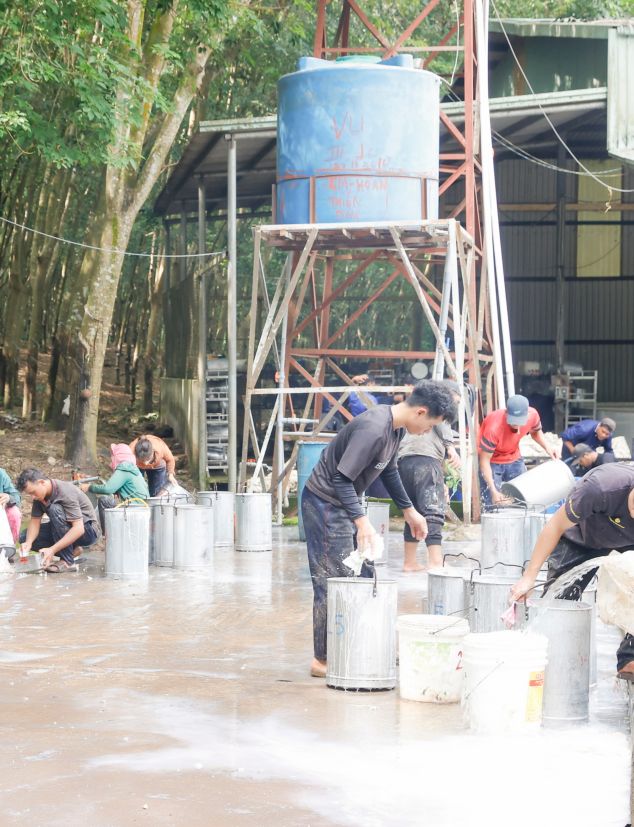
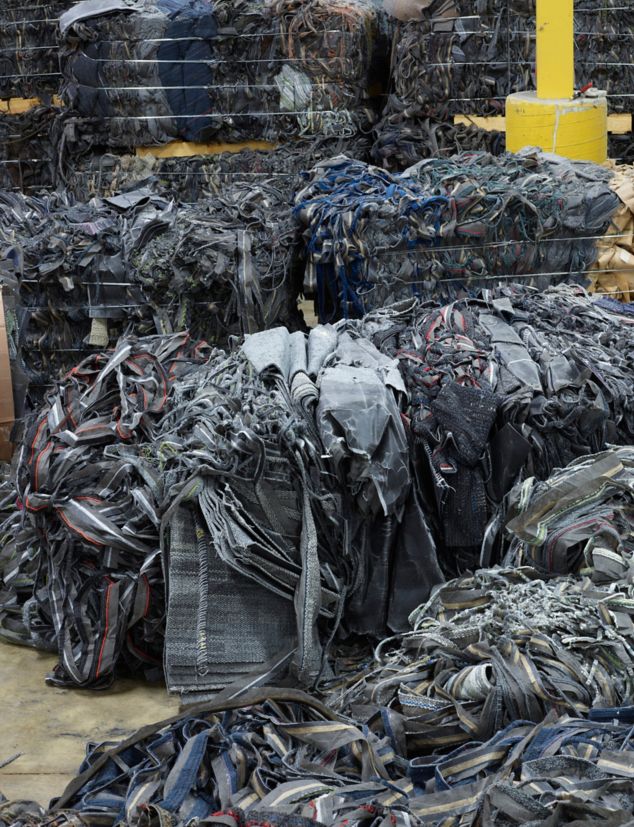
Bio-based materials are getting more attention in sustainability conversations. And for good reason. Made from renewable plant-based sources, they can help keep previously absorbed carbon stored in products instead of returning it to the atmosphere. When paired with recovery and recycling efforts, those products can stay in use, helping keep materials in circulation and carbon stored longer.
The BBIA defines bio-based materials being fully or partially made from biological resources, rather than fossil-based raw materials. In sustainability conversations today, the term most often refers to materials made from renewable biological resources, such as plants and other forms of biomass.
So, what do bio-based materials have to do with the climate crisis? The short answer is carbon.
Why carbon storage matters
Carbon is one of the most abundant elements in the universe. It is found in living organisms, rocks, soil, oceans, and the air. It also takes many forms, from calcium carbonate in seashells and coral to the complex molecules that make up cells and carbon dioxide (CO2) in the atmosphere.
The Earth regulates carbon through the carbon cycle. Think of it as a storage and transfer system. Processes such as respiration, photosynthesis, and decomposition move carbon from one place, like living organisms, to another, like the atmosphere or ocean. Some spaces store carbon for a short time. Others, such as deep ocean storage or fossil fuels, can hold it for millions of years.
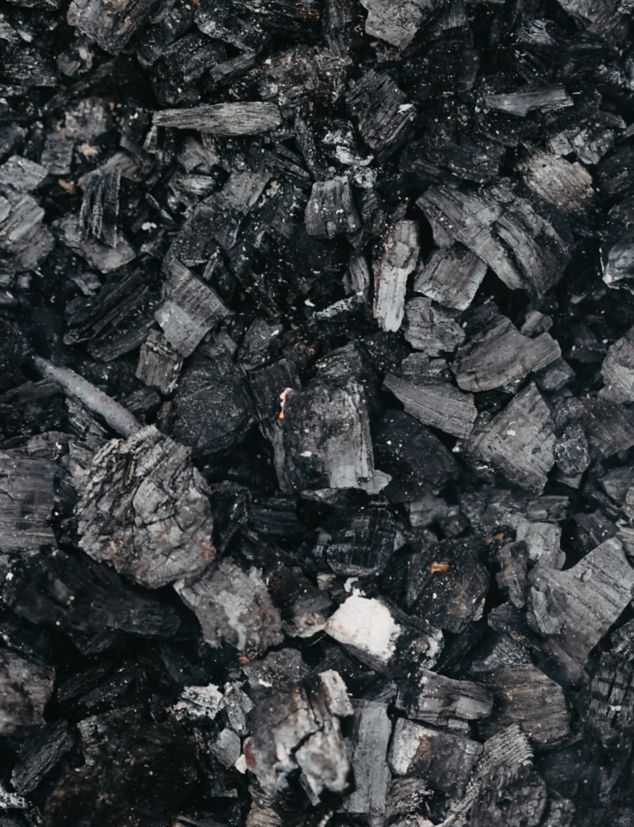
Global warming happens when modern human activity disrupts that cycle. Burning fossil fuels releases more CO2 into the air than natural systems can remove through photosynthesis, ocean exchange, and other processes.
How plants store carbon
Plants provide a useful example of how carbon storage works in nature:
- Plants absorb carbon dioxide through photosynthesis.
- They convert that carbon into sugars.
- Carbon stays stored in roots, stems, leaves, and other plant structures.
- That carbon remains stored until the material is eaten, burned, or decomposed.
This ability to store carbon is one reason bio-based materials are being used to lower product carbon footprints. Another is their potential to support circularity through the use of renewable, lower-impact raw materials.

From carbon storage to product design
By using bio-based content in products, manufacturers can help keep previously absorbed carbon from re-entering the atmosphere while stored in the product. That can help lower a product’s carbon footprint.
When combined with key manufacturing strategies such as increased recycled content, bio-based materials can help create products that store more carbon than their creation emits. At Interface, that approach helped us create the first-ever carbon negative carpet tile by:
- Replacing higher-footprint raw materials with bio-based alternatives
- Incorporating carbon-storing materials that help keep carbon out of the atmosphere while the carbon remains retained in the product
- Combining those materials with manufacturing innovations that further reduce emissions
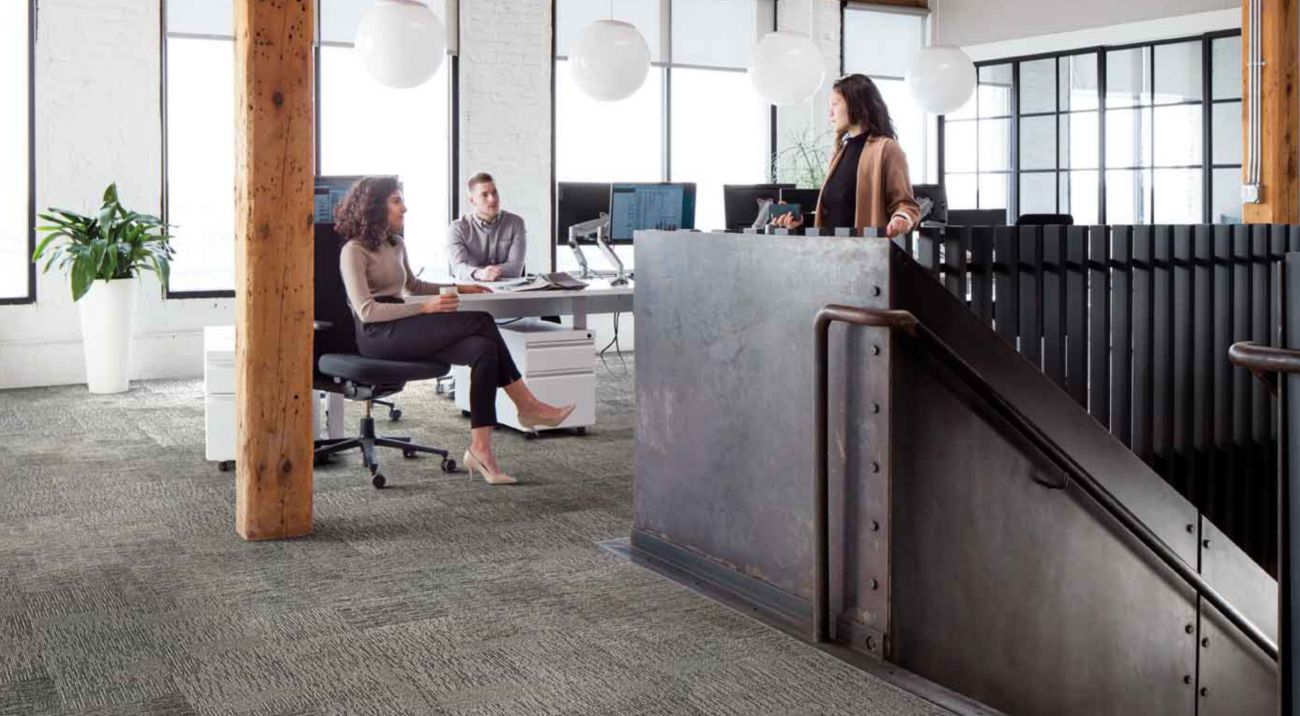
The result is a product that stores more carbon than is emitted during raw material extraction, transportation, and manufacturing, making it carbon negative from cradle to gate.
The benefits extend beyond manufacturing. As more organizations set climate and sustainability goals, they are taking a closer look at the carbon impact of the products and materials they specify and purchase. Lower-carbon materials, including those made with bio-based content, can play a role in reducing the overall carbon footprint of buildings and interiors.
Why bio-based materials matter for the building industry
From building design to material selection, carbon considerations are increasingly shaping decisions across the built environment:
- Buildings and construction account for nearly 40% of global energy-related GHG emissions.
- Embodied carbon accounts for about 10% of global energy-related GHG emissions.
- More architects and designers are prioritizing low-carbon products in specifications and procurement.
As architects, designers, manufacturers, and building owners look for ways to reduce embodied carbon, greater attention is being paid to the materials that go into products and spaces. Bio-based materials offer one opportunity to store carbon, reduce reliance on higher-footprint raw materials, and support lower-carbon outcomes.
As with any material, realizing these benefits requires responsible sourcing practices that consider land use, biodiversity, and food systems.
Creating a lower-carbon future starts with the choices we make today. By rethinking the materials that go into products, we can help reduce carbon impacts while supporting more sustainable outcomes over time.
References:
- BBIA, What are bio-based and biodegradable materials?
- The Planetary Society, Rethinking the atoms of life
- NOAA, Carbon Cycle
- Carbon Leadership Forum, The Carbon Challenge
- University of the Built Environment, What is embodied carbon (and what can we do about it)?
- USDA BioPreferred Program, Product Categories
About the Author