How Biophilic Design Can Support Student Success



Key Takeaways
Biophilic design can support student wellbeing, focus, and academic performance by bringing nature and nature-inspired elements into learning spaces.
Research suggests classroom environments can influence stress, engagement, test scores, attendance, and graduation-related outcomes.
Small design choices, including plants, natural light, and nature-inspired elements, can help create more supportive learning environments.
What if classroom design could help students feel calmer, focus better, and thrive at school? That’s where biophilic design comes in. By bringing nature and nature-inspired elements into learning environments, schools can support student wellbeing and create spaces that work harder for learning.
Terrapin Bright Green recently published the second edition of The Economics of Biophilia. The report explores how nature-informed design can create measurable value in the built environment, including schools.
What Is Biophilic Design in Education?
Biophilic design connects people to nature through direct elements, like plants, daylight, and outdoor views, and indirect elements, like natural materials, colors, patterns, and textures. In schools, those choices can help create classrooms that feel calmer, more engaging, and more supportive of learning.
Here’s how it all comes together:
- Learning environments shape how students feel and focus.
- Student experience can influence engagement, attendance, and performance.
- Better student outcomes can create broader economic and community value.
Why Student Success Matters Beyond the Classroom
Education is an investment with far-reaching effects. Around the world, the quality of students’ learning experiences can influence academic achievement, future opportunities, and the strength of their communities.
Those benefits extend beyond the classroom, contributing to outcomes such as graduation, continued education, employment, and long-term economic participation.
Why Classroom Design Matters
Historically, efforts to improve education have focused on academic performance, with emphasis on curriculum and skilled teachers. But the classroom environment also represents a meaningful opportunity to support students and staff.
A study from Frontiers in Education suggests that incorporating biophilic elements into classrooms and other learning spaces may support:
- Early childhood cognitive development
- Student behavioral health and wellbeing
- Academic performance
- Stress recovery
- Student engagement and perception of the learning environment
How Biophilic Classrooms Support Learning and Performance
Research from different learning environments illustrates how classroom design can shape the student experience.
In one survey of 20,000 U.S. high school students, 74% associated school with negative feelings. Stress, boredom, and tiredness were the most common answers. One way to address this is by designing learning environments that connect students to nature through biophilic design.
Comfort has often been viewed as a luxury in schools, but research increasingly challenges that idea. The Frontiers in Education study found that when classrooms include biophilic elements, students report feeling more relaxed within the space, making it easier to focus on their lessons.
Research at Green Street Academy in Baltimore compared a classroom designed with biophilic elements to a more conventional learning space. Researchers looked at both how students felt in the classroom and measures associated with stress and learning outcomes. They found that students in the biophilic classrooms:
- Saw larger reductions in stress
- Reported feeling more engaged in learning
- Had more positive perceptions of instructors and subject material
- Showed improved test scores and academic performance
In that study, students in the biophilic classroom saw test score improvements reported as 3.3 times higher than those in the conventional classroom.
Can Biophilic Design Support Attendance and Graduation?
The benefits of better learning environments may also extend beyond daily classroom experience.
A key misconception is that better academic performance always translates to better graduation rates. The data shows that connection is not always simple. Rhode Island is one of the top-performing states in the U.S. on standardized tests, while Idaho is one of the lowest. However, Rhode Island’s average graduation rate is 89%, while Idaho’s is 91%.
The takeaway: academic performance and graduation outcomes are connected, but they are not the same. Student experience, attendance, engagement, and school climate can all influence whether students stay on track.
A study in Taiwan found that students in biophilic classrooms had fewer sick days and behavioral incidents than students in control classrooms. Additional research shows a correlation between exposure to nature, higher graduation rates, and plans to continue education at a college or university.
These examples reinforce the importance of helping more students have a positive experience at school. If a place consistently feels stressful or boring, it makes sense that students may be less inclined to be there.
What Is the Economic Value of Student Success?
Student success can create value beyond individual achievement through:
- Higher lifetime earning potential
- Increased local spending
- Stronger employment outcomes
- Greater community investment
- Potential gross domestic product (GDP) gains tied to improved test scores and graduation rates
Research consistently connects education with stronger employment and earning opportunities. While outcomes vary by country and education system, the broader principle remains: when more students succeed, the benefits can extend to families, communities, and economies.

How Can Schools Make Biophilic Design More Accessible?
Given the potential impact of student success, students from all backgrounds should have access to learning spaces that support wellbeing and performance. Yet school resources and access to quality learning environments vary widely among communities and education systems. Without careful consideration, investments in healthier, more supportive spaces could remain out of reach for the students who may benefit most.
Fortunately, biophilic design does not always require major building renovations or significant investment. Schools can begin with lower-barrier changes, including:
- Adding potted plants
- Improving daylight access with window treatments
- Choosing nature-inspired patterns and colors
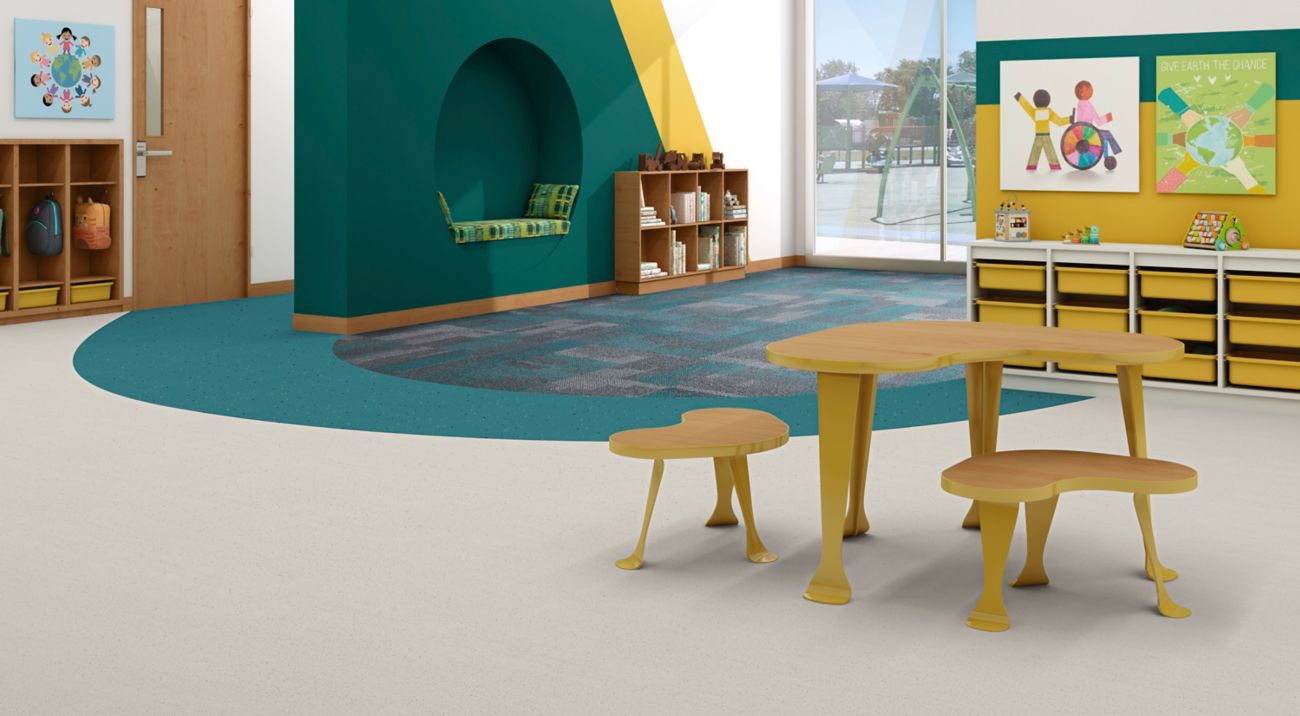
- Specifying flooring with biophilic design cues
- Improving access to outdoor views or landscapes
Biophilic design won’t solve every challenge in education, but it gives schools another practical tool to support students, improve learning environments, and invest in long-term success.
References:
- Terrapin Bright Green, The Economics of Biophilia
- Frontiers in Education, Restorative biophilic classroom design: effects on student learning engagement and satisfaction
- YaleNews, National survey: Students’ feelings about high school are mostly negative
- Terrapin Bright Green, The Impact of Biophilic Learning Spaces on Student Success
About the Author