
noravant timber

Design
What are the 15 patterns of biophilic design?
How to bring nature into the built environment
Key Takeaways
Biophilic design uses nature-based patterns to help people feel more connected to the spaces they use.
The 15 patterns of biophilic design fall into three categories: Nature in the Space, Natural Analogues, and Nature of the Space.
Designers can apply these patterns through views, materials, light, airflow, spatial layout, and sensory experiences.
We spend an estimated 16 hours a day using technology and up to 90% of our time indoors. As our connection to the natural world becomes more limited, the spaces where we live, work, learn, and gather play an increasingly important role in supporting human wellbeing.
That's where biophilic design comes in.
Biophilic design starts with a simple idea: people feel better when spaces connect them to nature. That connection can be direct, like a view of trees or the sound of water. It can also be indirect, through natural materials, textures, patterns, light, and spatial cues.
Terrapin Bright Green's 14+ Patterns of Biophilic Design gives designers a practical framework for creating those connections.
The patterns are grouped into three categories:
- Nature in the Space
- Natural Analogues
- Nature of the Space
You don't need to apply all 15 in a single project. Even a few thoughtful choices can help create spaces that feel more engaging, restorative, and comfortable.
Nature in space
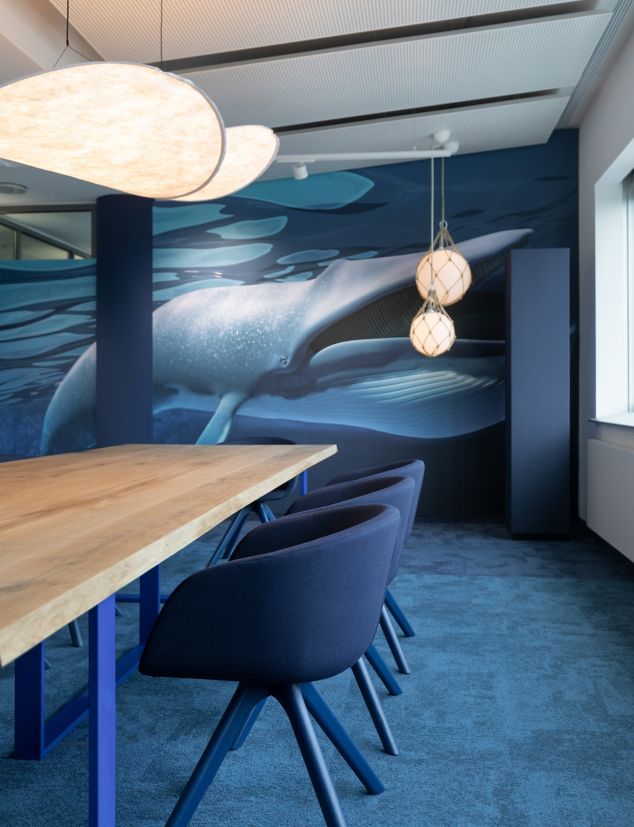
With 68% of the world’s population expected to live in urban areas by 2050, thoughtful opportunities to connect with nature will become even more important. Nature in the Space addresses this need through direct, physical connections to natural elements. That can include views, plants, water, natural airflow, sounds, scents, light, and seasonal change.
These patterns help people experience nature through the senses, not just see it from a distance.
1. Visual Connection with Nature
Provides views of natural elements, living systems, and natural processes, such as gardens, oceans, plants, green walls, and green roofs.
2. Non-Visual Connection with Nature
Engages the senses of sound, touch, smell, and taste to reinforce our connection to nature.
3. Non-Rhythmic Sensory Stimuli
Introduces subtle, unpredictable moments of movement and change, such as swaying grass or rippling water.
4. Thermal and Airflow Variability
Mimics the natural variations in temperature, humidity, and airflow found in outdoor environments.
5. Presence of Water
Creates opportunities to see, hear, or touch water within a space.
6. Dynamic and Diffuse Light
Uses light and shadow to reflect the changing conditions and circadian rhythms found in nature.
7. Connection with Natural Systems
Highlights natural processes, such as seasonal change, growth, and the cycles of healthy ecosystems.
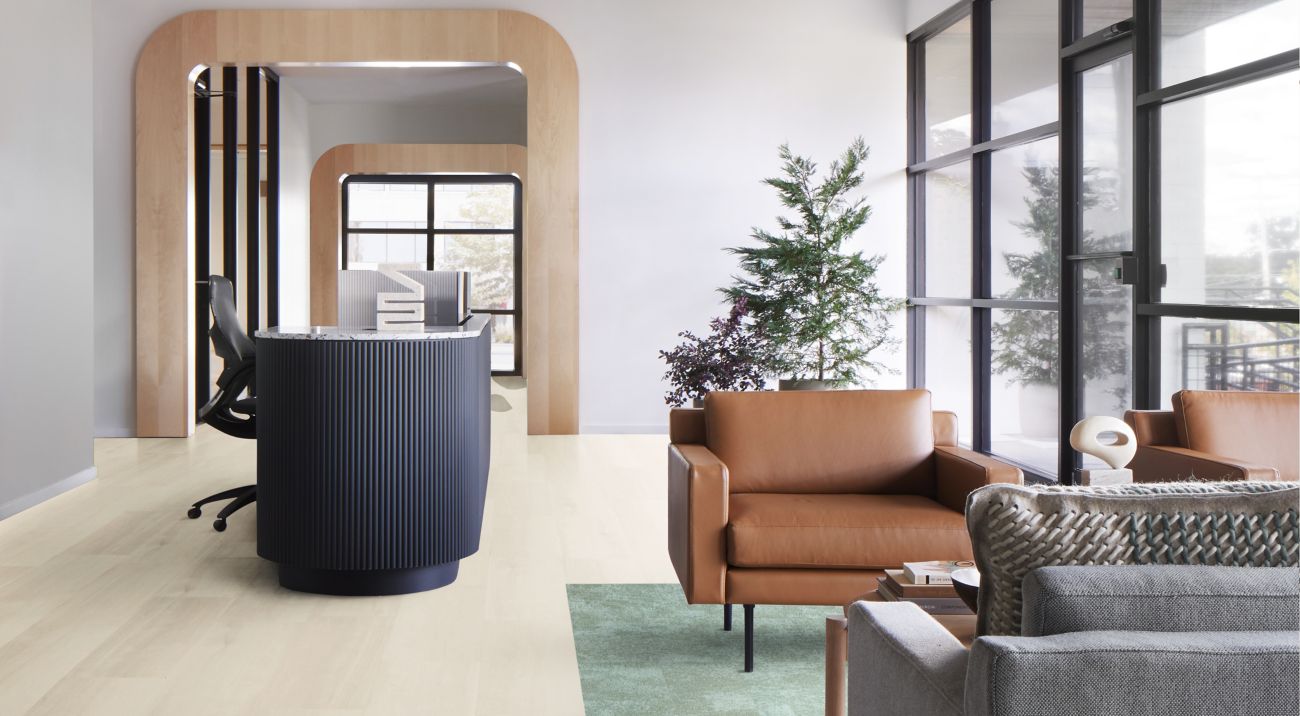
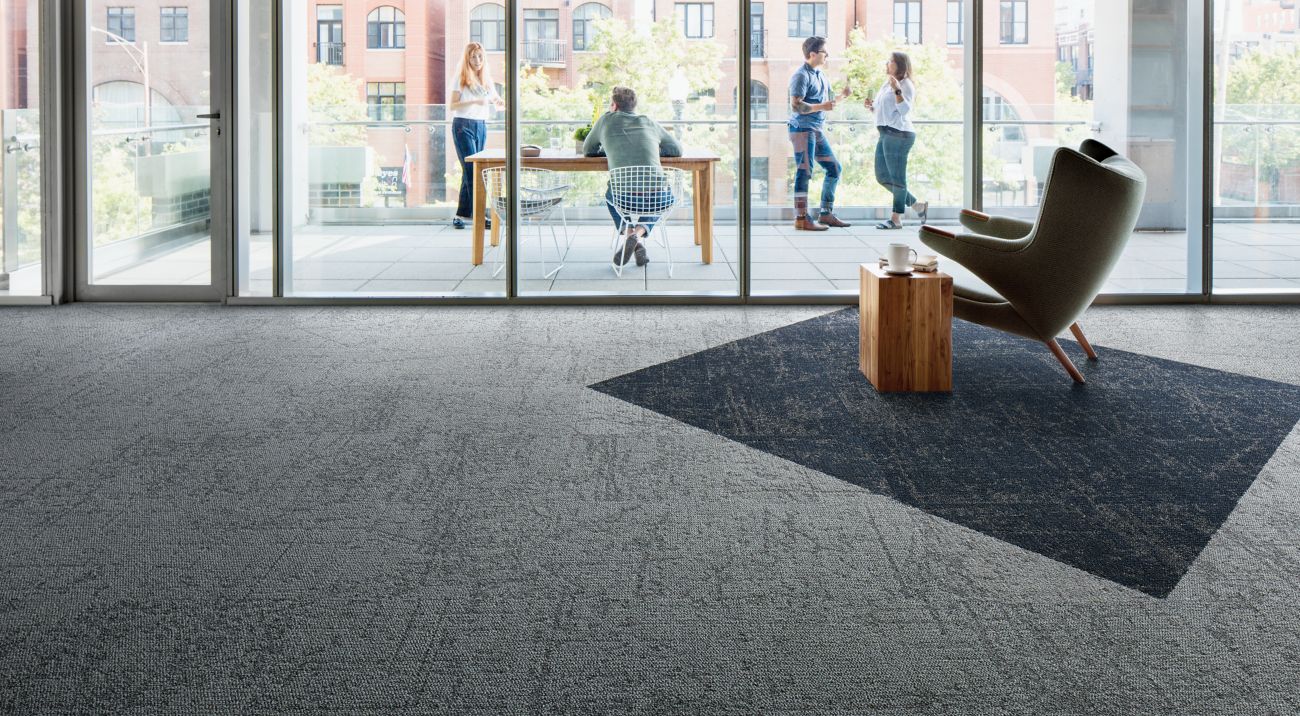
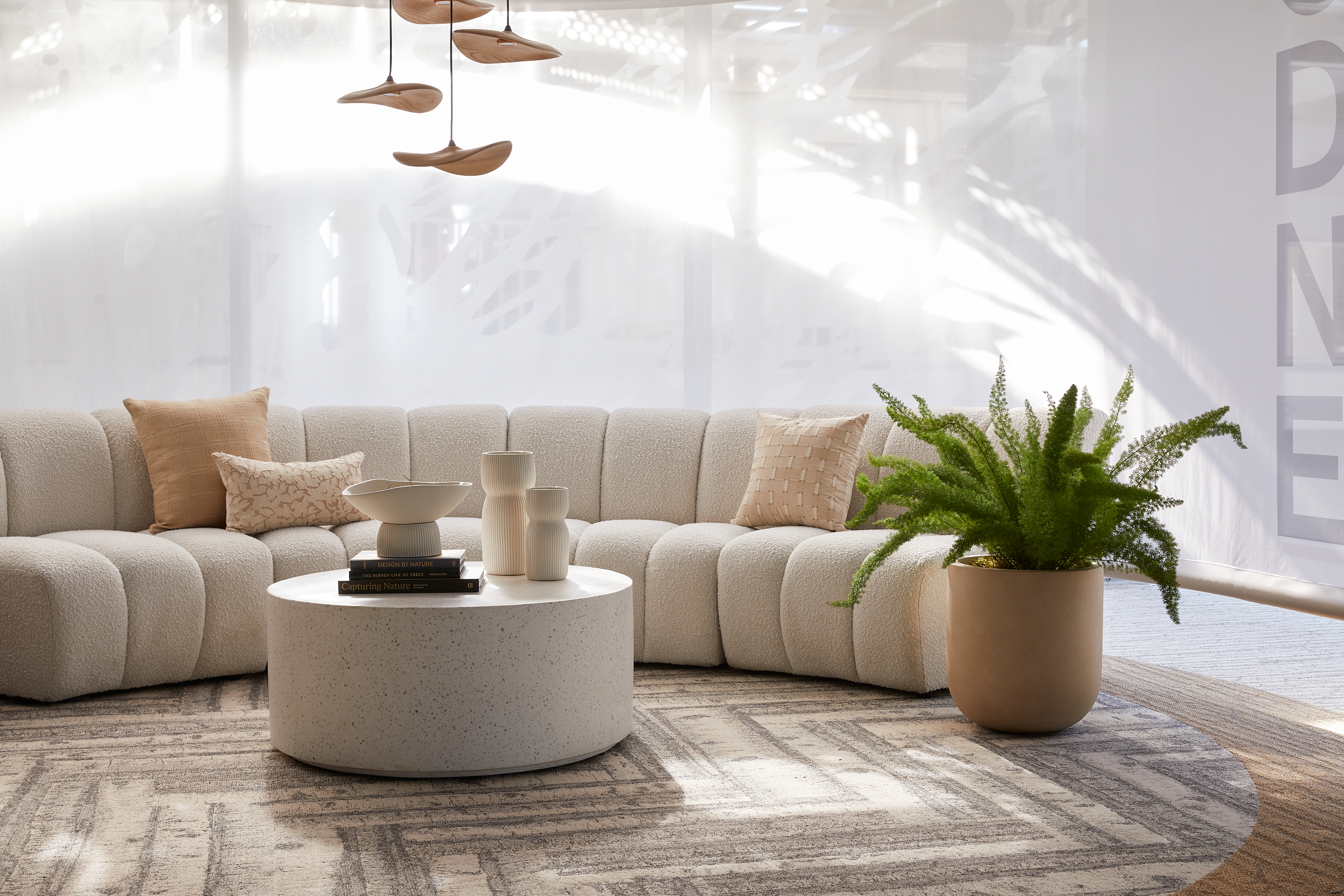
Natural analogues
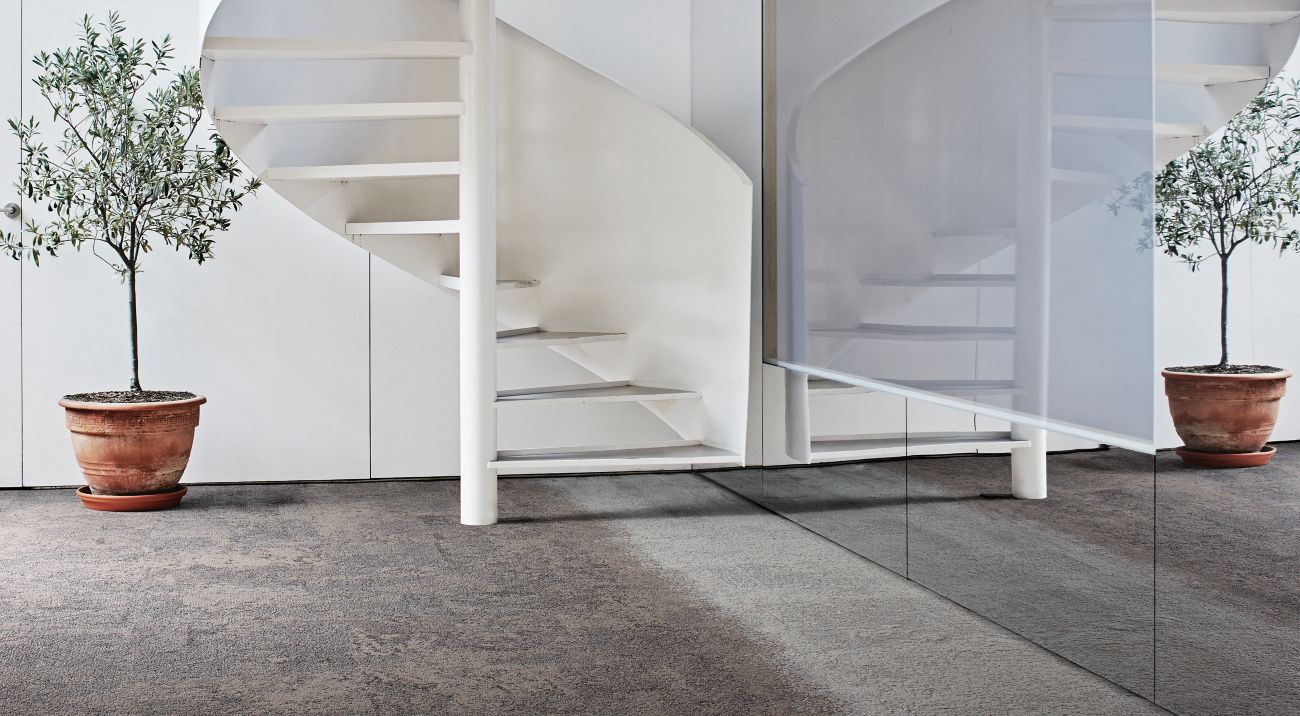
Natural Analogue patterns reference nature without bringing living elements into the space. They use materials, textures, colors, shapes, and patterns that cue the brain to make a connection with the natural world.
8. Biomorphic Forms and Patterns
References the shapes, textures, and arrangements found in nature to create a visual connection to the natural world.
9. Material Connection with Nature
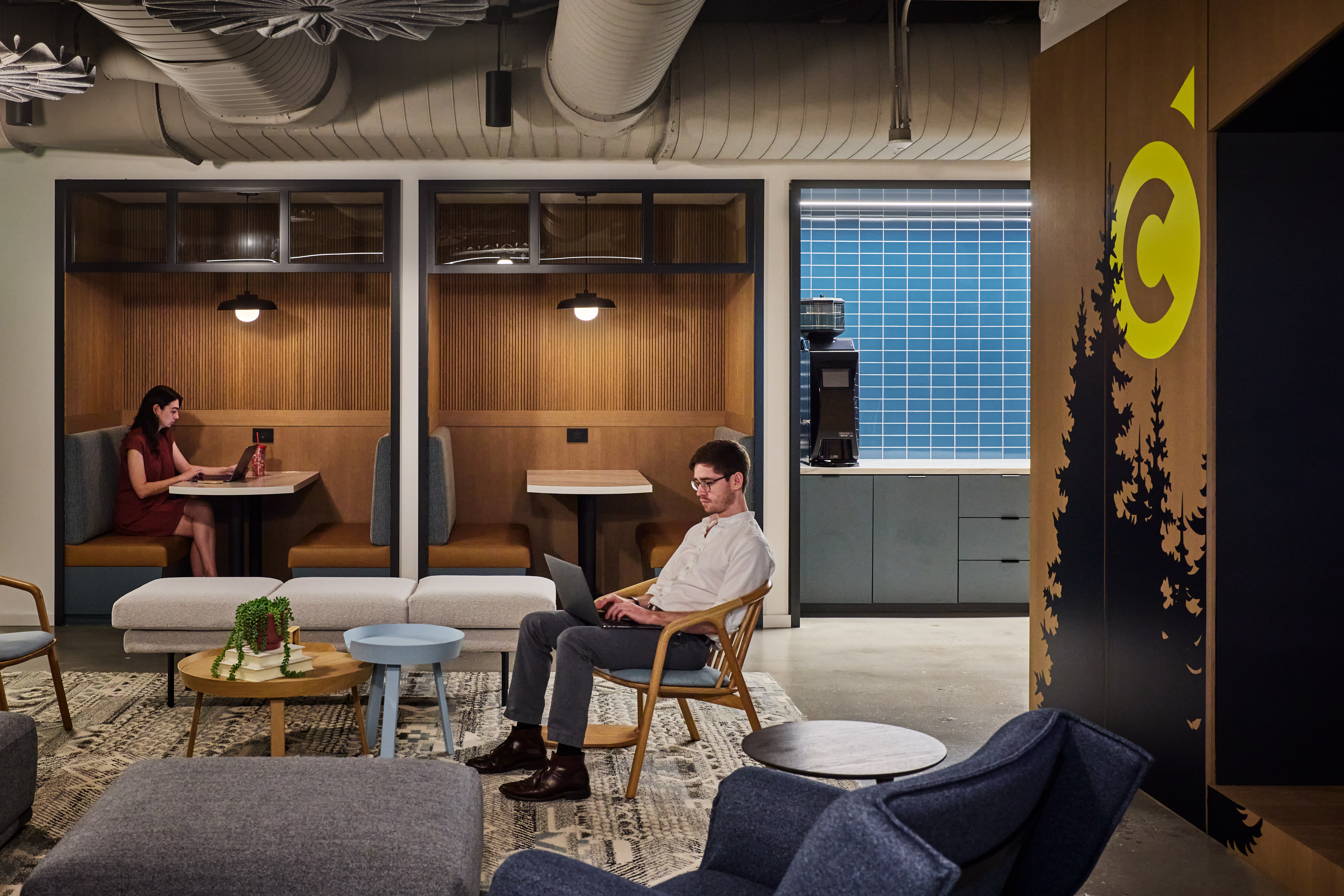
Incorporates materials, grains, textures, and finishes that reflect the natural environment.
10. Complexity and Order
Uses the symmetries, hierarchies, and geometries found in nature to create visual interest and structure.
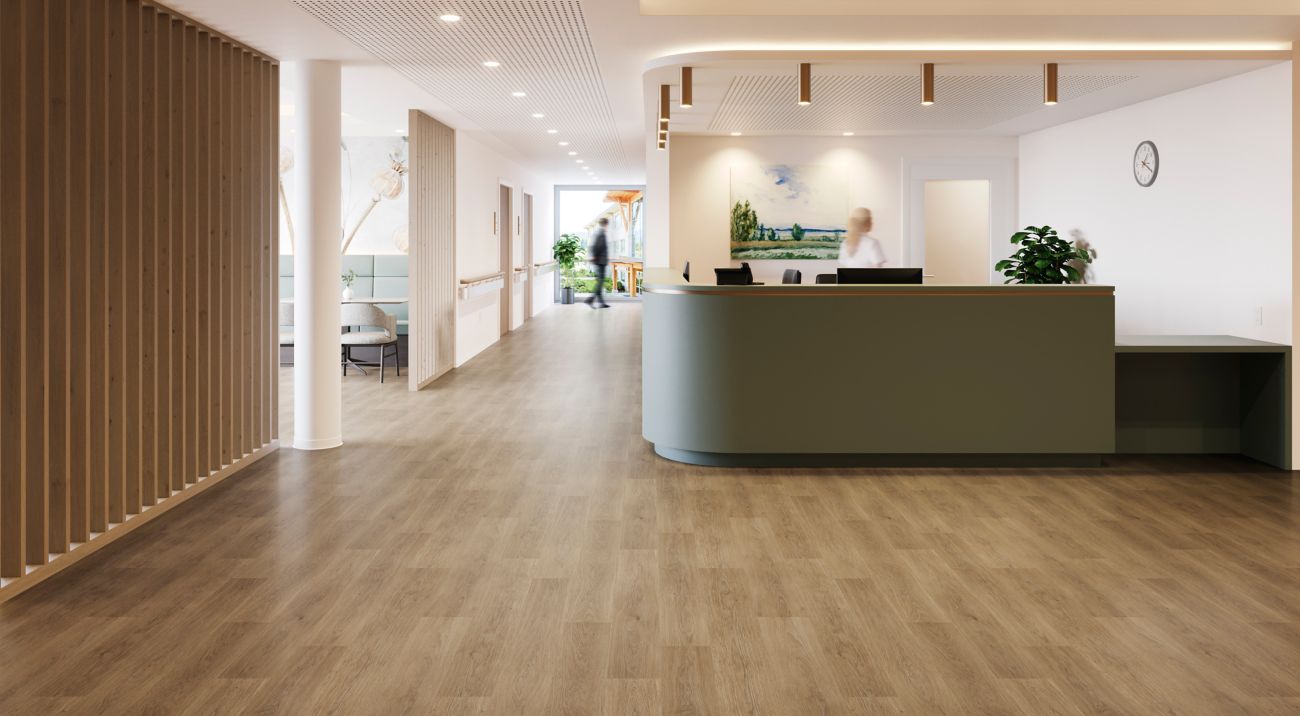

Nature of the space
Nature of the Space patterns focus on how people experience a room, building, or landscape. They tap into our desire to see what is ahead, find places to retreat, and stay curious about what is around the corner.
11. Prospect
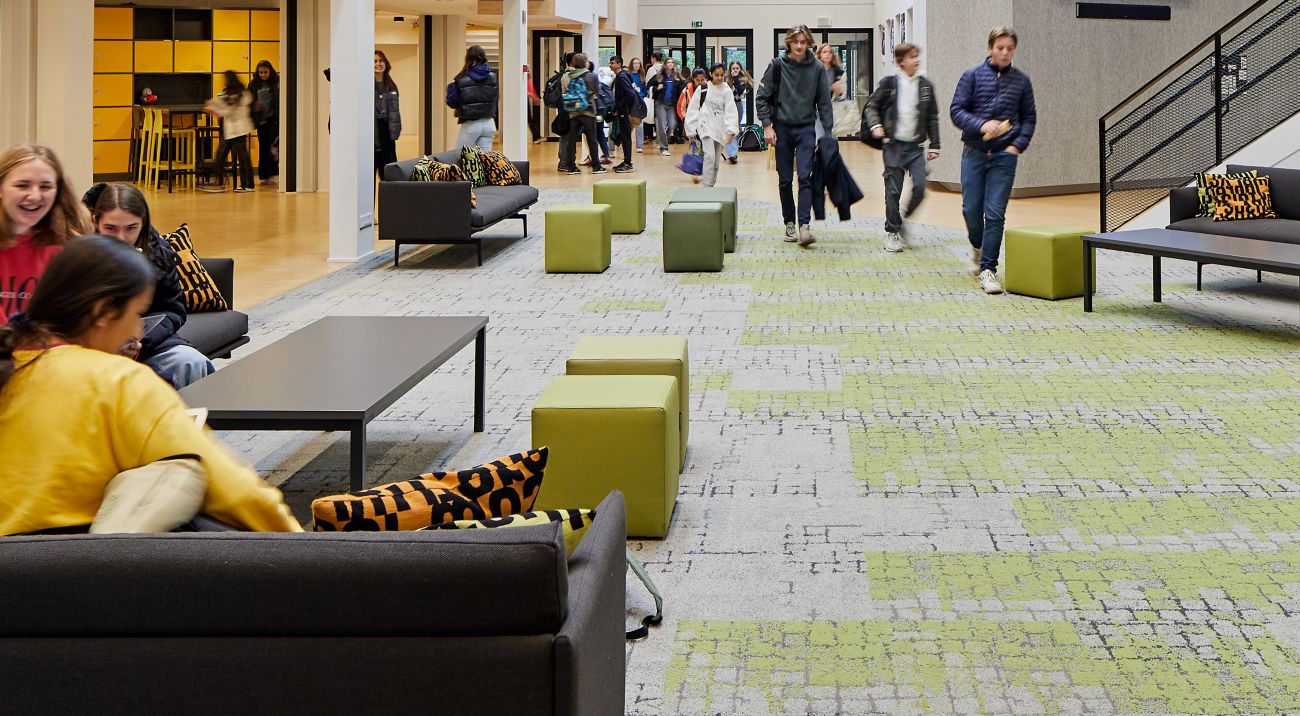
Provides long views across a space through features such as balconies, oversized windows, skylights, mezzanine levels, open-plan layouts, and transparent partitions.
12. Refuge
Creates protected places where people can step away from busy areas while staying connected to their surroundings.
13. Mystery
Draws people through a space by suggesting there is more to discover through partially obstructed views, unexpected architectural features, or design reveals.
14. Risk/Peril
Pairs an identifiable risk with a clear sense of safety to create the feeling of being near an edge while remaining protected.
15. Awe
Creates moments of wonder, scale, or grandeur that shift perception and foster reflection, humility, and connection to something larger.

How to apply the 15 patterns
Start with the people using the space. What do they need to see, feel, hear, or experience? Then choose the patterns that support those needs. A few clear choices can do more than trying to force every pattern into one design.
- Use direct nature when a space can support views, plants, water, light, or airflow.
- Use natural references when materials, textures, colors, or patterns can create a quieter connection to nature.
- Use spatial patterns when the layout can offer openness, refuge, curiosity, or a safe sense of edge.
Whether applied individually or in combination, these patterns can help create spaces that feel more connected, restorative, and engaging.
References:
- Reviews.org, Screen Time and Internet Usage Statistics 2024
- EPA, Indoor Air Quality
- Terrapin Bright Green, 14+ Patterns of Biophilic Design
- UN, Revision of World Urbanization Prospects
- Terrapin Bright Green, Nature in the Space
- Terrapin Bright Green, Natural Analogues
- Terrapin Bright Green, Nature of the Space
Featured Products
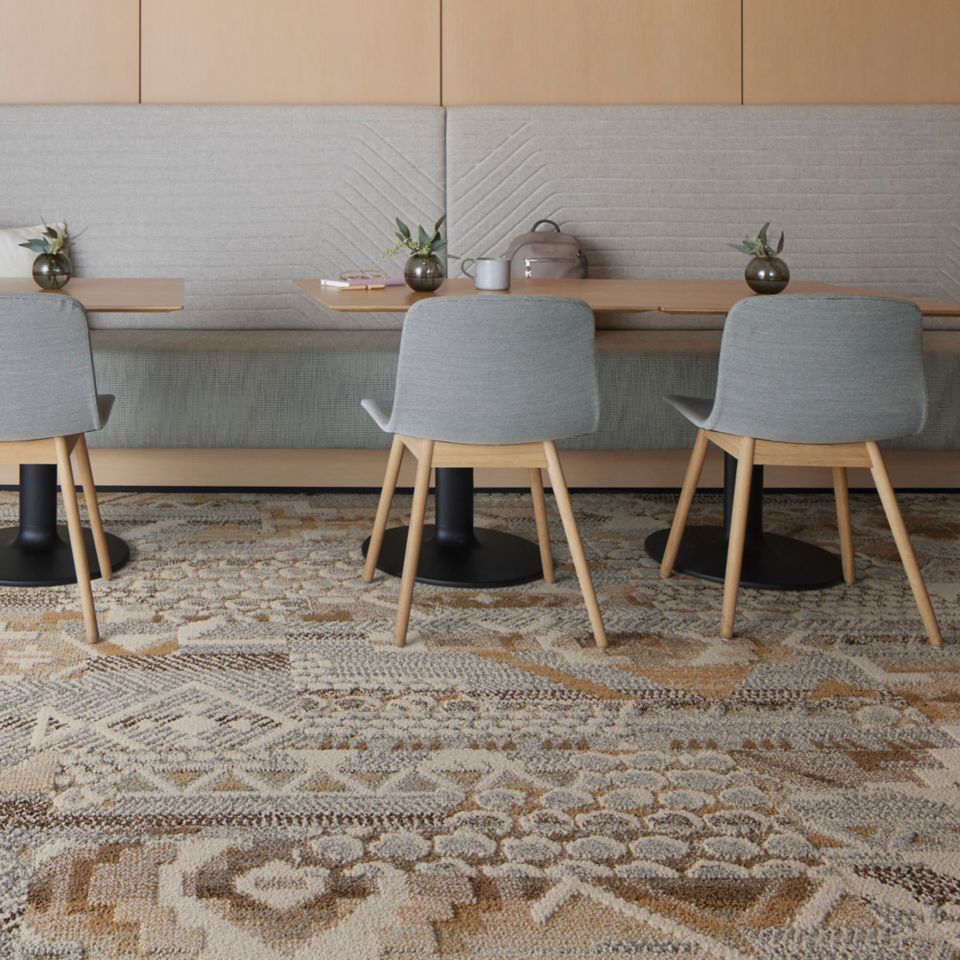
Desert Ranch
Lost Palms Collection
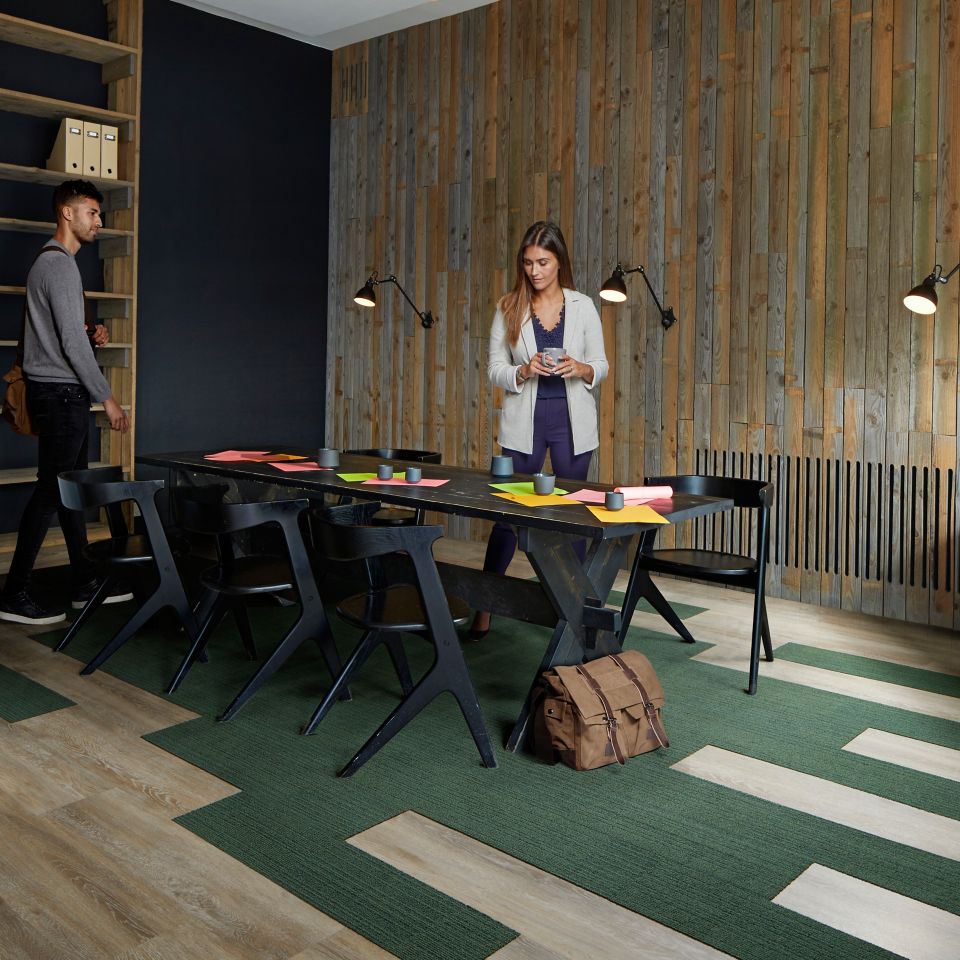
Textured Woodgrains
Level Set Collection
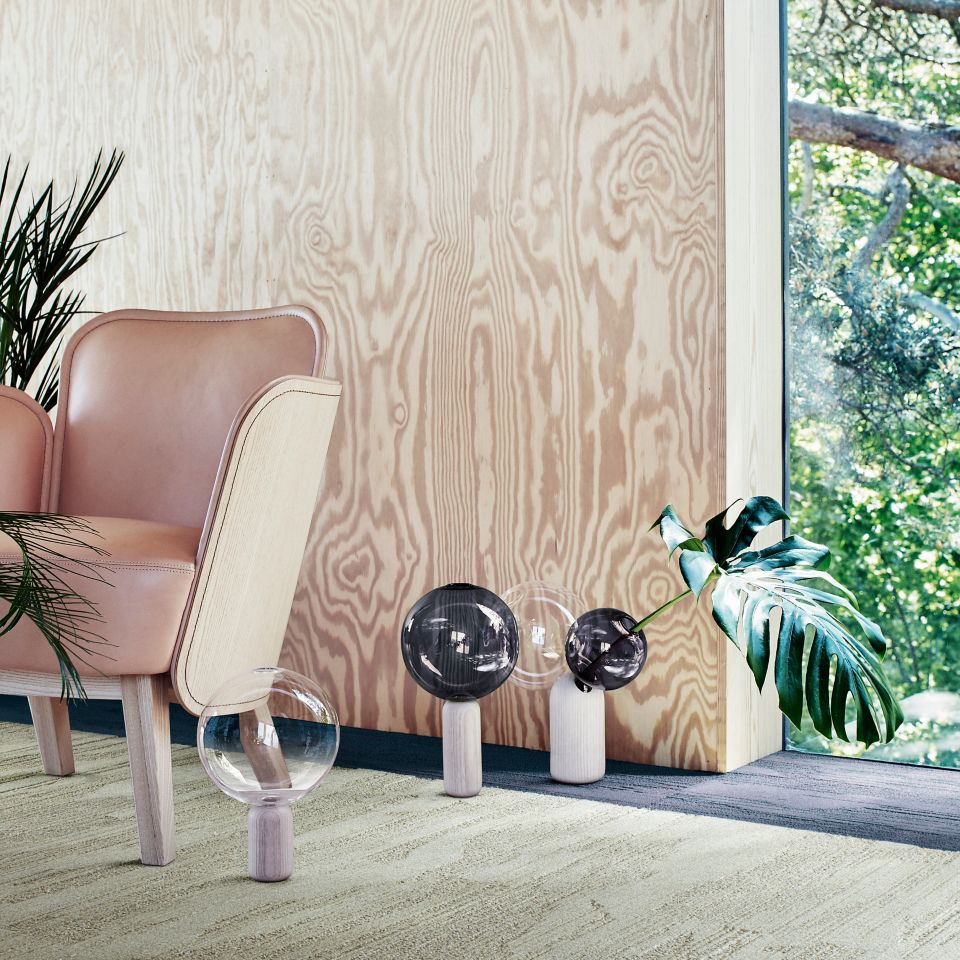
UR101
Urban Retreat
About the Author