Why do we rely so much on geometry in our designs?
What nature reveals about good design


Key Takeaways
Geometry shapes how we design, build, and experience spaces.
Many of the geometric patterns we use are rooted in nature, from fractals and spirals to symmetry and tessellations.
Applying these patterns through biophilic design can help create spaces that feel more engaging, restorative, and comfortable.
Geometry is an integral part of design from start to finish.
Just think about it. Architects use geometry to study and divide space as well as draft detailed building plans. Builders and engineers rely on geometric principles to create structures safely. Designers apply geometry (along with color and scale) to make beautiful interior spaces.
We have plenty of examples of creative applications of geometry, from the elaborate patterns found within Islamic architecture to the complex fractals in Pollock's drip paintings to the clean lines of modern interiors.
But geometry isn't just a design tool. It's also deeply connected to the way we experience the world around us. Why do certain patterns feel calming, engaging, or familiar? And how can designers use geometry to create spaces that support wellbeing as well as aesthetics?
Short answer: look to nature.
What can nature teach us about geometry
Pattern can be found everywhere in nature: tree branches, snowflakes, zebra stripes, and nautilus shells. We’ve been studying these natural patterns since ancient times, and only recently have we been able to explain many of them through mathematics, physics, and chemistry.
The most commonly found patterns are:
- Symmetry – the near-repetition of a pattern element by reflection or rotation
- Spirals – a continuous and gradually widening (or tightening) curve around a central point
- Fractals – similar patterns recurring at progressively smaller scales
- Tessellations – patterns formed by repeating tiles on a flat surface

Biomorphic patterns: bringing the outside in
Research shows that views of nature can influence both our psychological and physiological well-being. Likewise, natural elements and representations of nature through Biomorphic Forms & Patterns can help create spaces that feel engaging, comfortable, and restorative.
Connecting to nature in this way allows us to draw on geometric design patterns for inspiration. Avoiding right angles and straight lines for more organic movement within a space or using the Fibonacci series to create proportion are two examples of applied geometry in design.
From large, three-dimensional structures that evoke honeycombs to cosmetic details that mimic vine growth, Biomorphic Forms & Patterns bring nature to life and reduce stress within our environment. And it works at both large and small scales.
What are some easy ways to apply this biophilic design pattern?
- Pathway and hallway design
- Fabrics, carpet, and wallpaper designs based on the Fibonacci series or Golden Mean
- Arrangement of the structural system (columns shaped like trees, railings like branches)
- Furniture shape
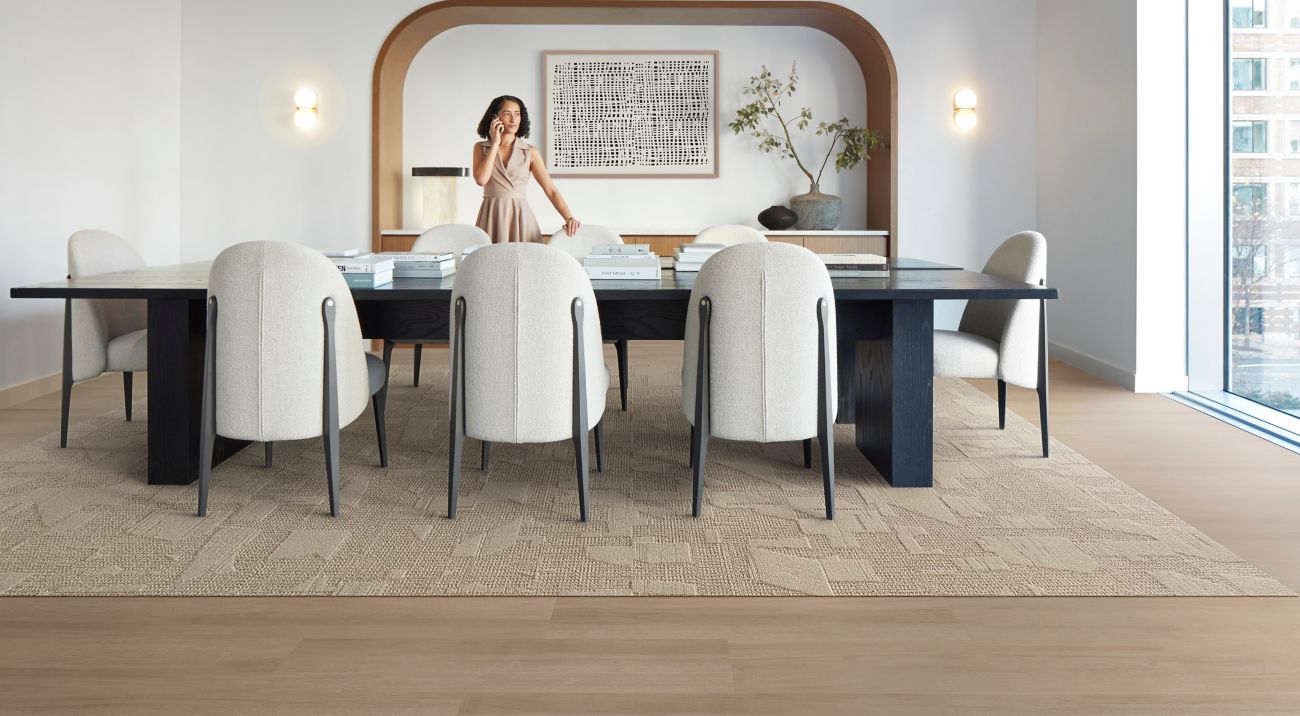
Biomorphic patterns (such as honeycomb-like hexagons) create interesting spaces through the application of tessellations.
When geometry and biophilia work together
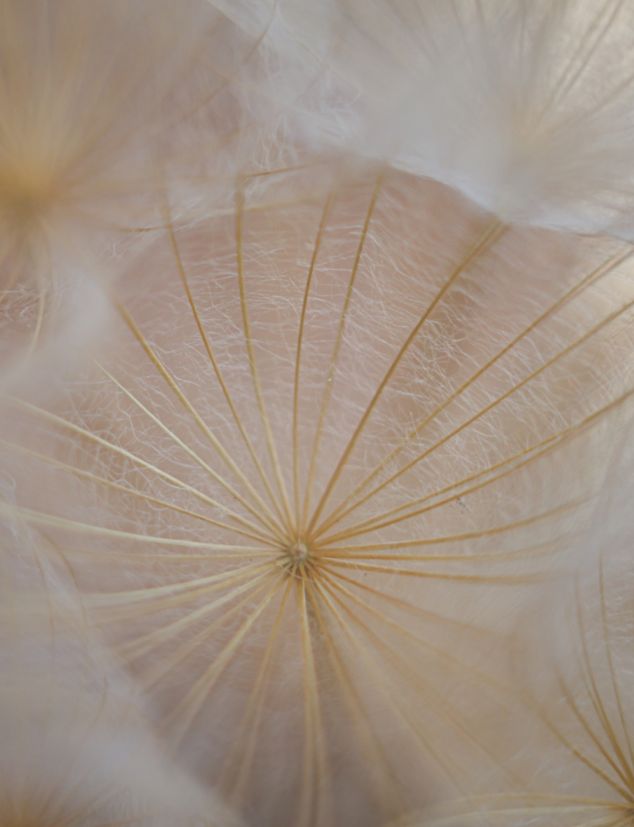
Geometry also comes into play through the biophilic design pattern of Complexity & Order. Rooted in research on fractal geometries, Complexity & Order concerns our responses to fractals in nature, art, and architecture.
In spaces that utilize Complexity & Order, we tend to feel less stress and more engagement. This is because they reveal rich sensory information similar to what we encounter in nature. It’s the sweet spot between uninteresting and overstimulating.
How do we apply Complexity & Order to a space?
- Exposed structures or exoskeletons
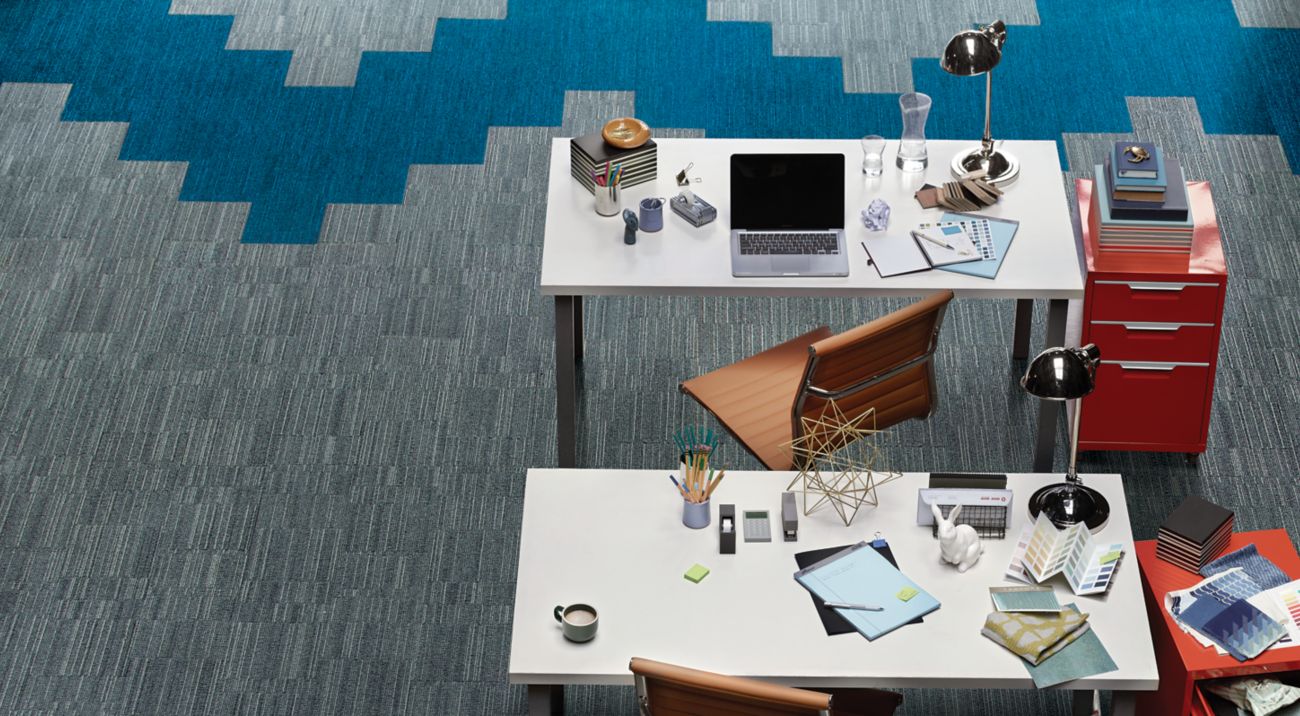
- Modular systems such as carpet tiles, multi-purpose furniture, or the incorporation of flexible, multi-use areas within a larger layout
- Architectural ornamentation and wall art
An obvious application of geometry in design (and Complexity & Order) can be found in Islamic art and architecture. Think: bold-colored kilim carpets, Moroccan tilework, and star-covered mosques.
Why geometry matters in design
The goal of designing with this pattern is to create an enriching environment based on an understanding of the symmetries, fractal geometries, and spatial hierarchies found in nature. The more complex a system is, the more ordered it becomes. The more ordered it is, the more at ease we feel.
Humans instinctively gravitate toward visually interesting spaces. By understanding the patterns that exist throughout nature and applying them intentionally, designers can bring more of what’s outside into our built environment.
References:
- Aeon, Research shows that views of nature can influence both our psychological and physiological well-being
- Terrapin Bright Green, Biomorphic Forms and Patterns
- Terrapin Bright Green, Complexity and Order
About the Author