
FOUR WAYS TO SPECIFY CIRCULARITY TODAY
Circularity starts with good design. But it continues with what you specify.
Design decisions advance circularity. For architects and designers, the choices made at specification have a direct impact on carbon, material use, and long-term performance.
Because the majority of a product’s footprint comes from how it’s made and how long it stays in use, circularity is one of the most effective ways to reduce impact across the full life cycle.
The good news? You don’t have to wait for new technologies or perfect conditions. You can start specifying circular solutions today. Here are four ways to do it:
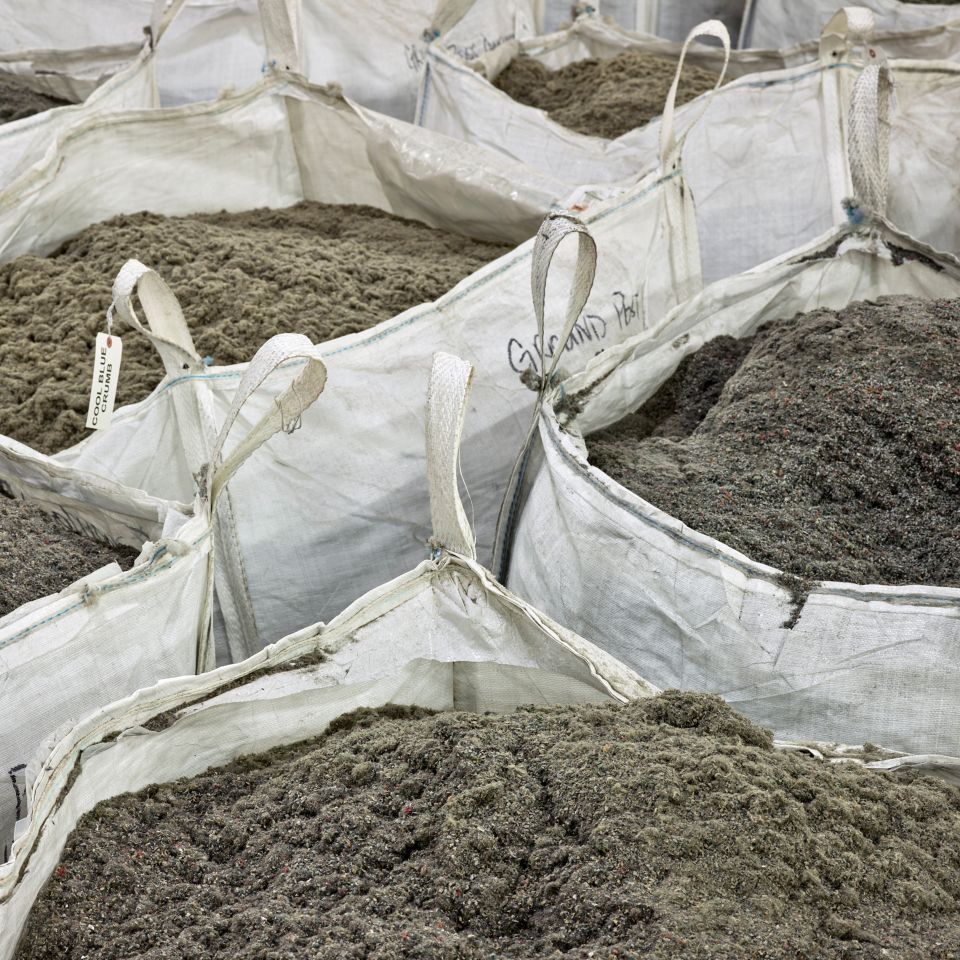
1. Specify Higher Recycled and
Bio-Based Content
Material selection is one of the fastest ways to reduce embodied carbon for your projects. Recycled content to keep carbon in play instead of creating more, and bio-based materials to store it naturally. Both help reduce reliance on fossil fuels.
- Why it matters: Most carbon impact happens at the raw material stage. Choosing better inputs lowers embodied carbon from day one. And without compromising design or performance.
- What to look for: Verified recycled content, bio-based materials, and transparent disclosures that clearly communicate sourcing and impact.

2. Prioritize Longevity in Material Design Decisions
Circular design means creating spaces that last and adapt. Durable, high-performing materials that can be easily repaired, replaced, and reconfigured extend product life and reduce replacement cycles.
- Why it matters: Longer-lasting products mean fewer replacements, less waste, and lower life cycle carbon. That means minimal disruption for those using the space.
- What to look for: Durability and flexibility, the option to restore instead of replace, and simple upkeep mean a product designed for the long run.
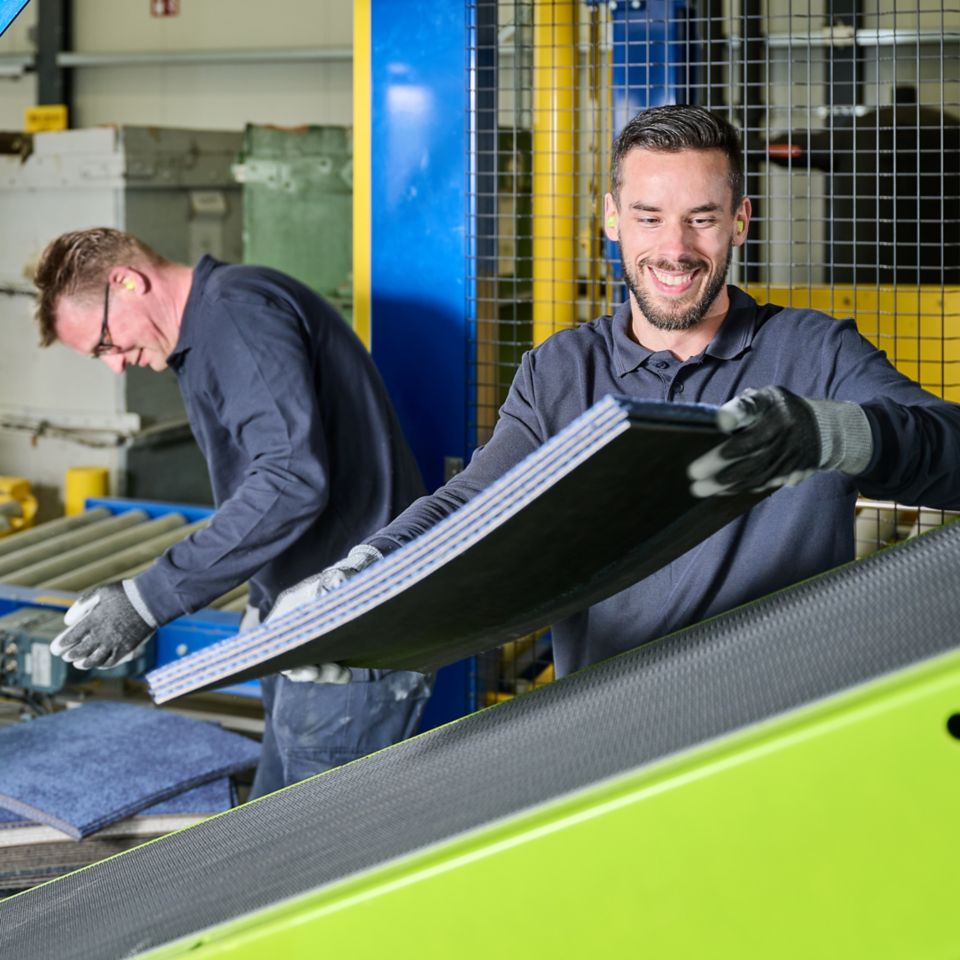
3. Plan for Renewal in
Demolition or Renovation
Designing for what comes next is part of circular thinking. Planning for reuse, recycling, or reclamation ensures materials stay in circulation instead of going to landfill.
- Why it matters: Designing for end-of-use helps close the loop, keeping materials in play and reducing overall carbon impact. ·
- What to look for: Product-to-product manufacturer take-back programs, regional recycling or reuse partnerships, and products designed for disassembly.

4. Choose Simple Install & Removals
Installation decisions influence a product’s entire life cycle. Glue-free or low-adhesive systems make materials easier to install, remove, and reuse.
- Why it matters: Simpler installation reduces waste. Less chemicals mean improved indoor air quality. Plus, future updates are fast and less resource intensive.
- What to look for: Modular, glue-free systems designed for easy removal and minimal disruption.

From Concept
to Specification
Circularity starts with good design. But it continues with what you specify.
By making informed decisions based on materials, durability, installation, and end-of-use, you can design spaces that perform today while reducing impact over time.
Because good design never ends. It evolves, adapts, and stays in use. And with the right decisions, circularity isn’t just possible. It’s already happening.
Key Takeaways
- Circularity starts with what you specify, shaping carbon, performance, and longevity outcomes.
- Lower carbon comes from choosing better materials and designing products to last longer.
- Designing for renewal and simple installation keeps materials in use and reduces waste over time.