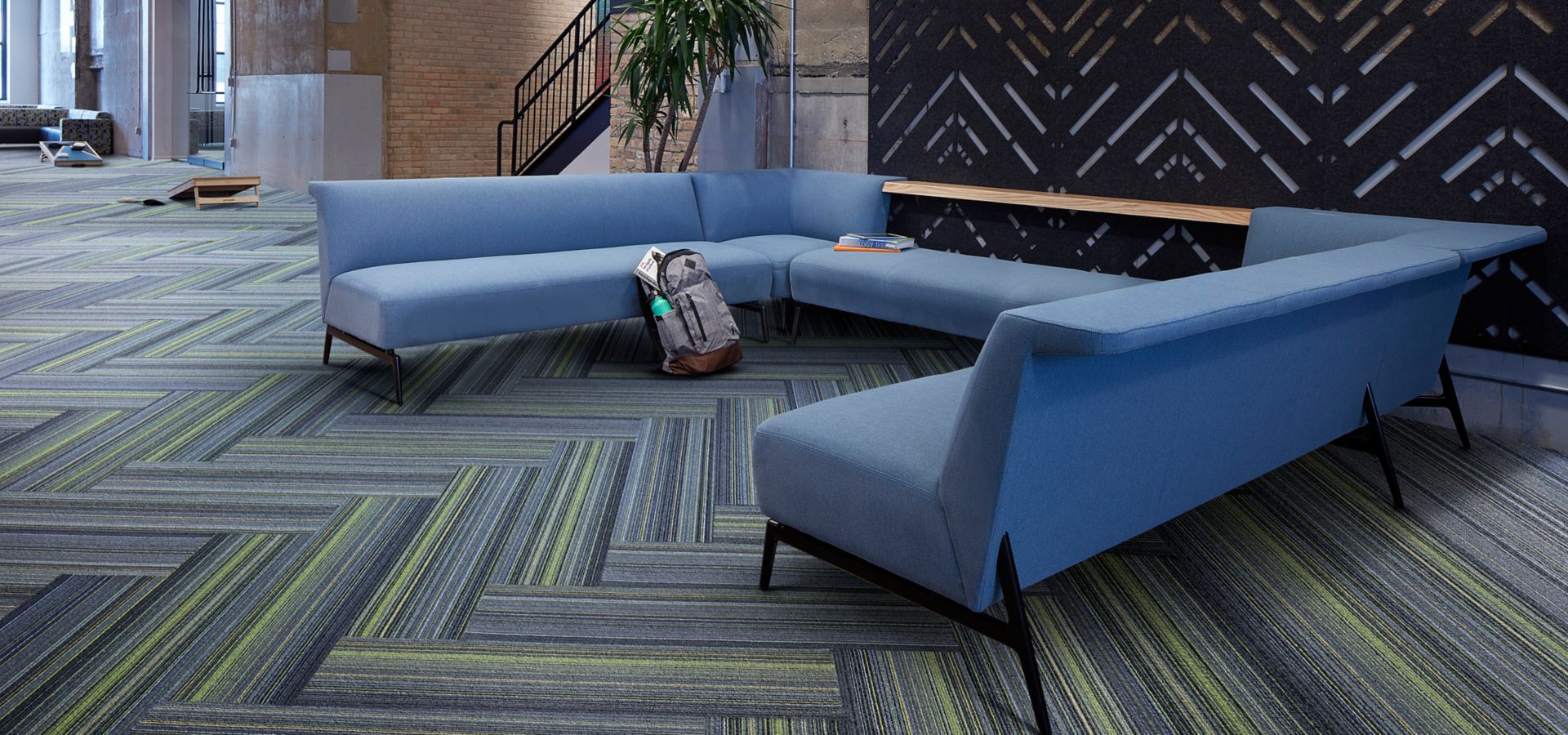
RETHINK WHAT YOU KNOW ABOUT RUBBER
Rubber flooring as plain, practical, and utilitarian? That’s old-school thinking! Today’s rubber flooring tells a very different story.
Advances in design technology have unlocked expressive color, refined texture, and expanded visual range, so rubber’s high-performance benefits fit far more spaces than before.
MYTHS, MISCONCEPTIONS, AND MODERN RUBBER FLOORING
Rubber flooring has evolved. It’s time our assumptions did too.
Below are a few outdated ideas about rubber, so be sure to take note!
MYTH #1: RUBBER FLOORING IS ONLY ABOUT PERFORMANCE.
Yes, rubber performs. It’s trusted in demanding environments like hospitals and schools for its durability, longevity, and easy maintenance. But it’s also so much more.
Modern rubber flooring is elegant, approachable, and driven by design.
Today, designers can explore styles across a wide visual spectrum, from rich color and marbling to refined textures, patterns, and custom shapes. In addition, precision‑cut inlays amplify creativity by integrating branding, logos, and wayfinding graphics that last for the full life of the floor.
Recent technology innovations are pushing rubber visuals even further. New products like noravant™ are extending rubber into a wider range of applications, making it a compelling option for more spaces within high‑performing environments.

MYTH #2:
RUBBER FLOORING IS JUST FOR SPECIALIZED USES.
Rubber flooring works in more spaces than you might expect. Today, it’s not uncommon to see rubber in healthcare, education, corporate, and public environments. These are all settings where aesthetics, comfort, acoustics, and longevity matter just as much as durability. Often installed alongside carpet tile and LVT, rubber supports space-specific performance needs while contributing to a cohesive design story.
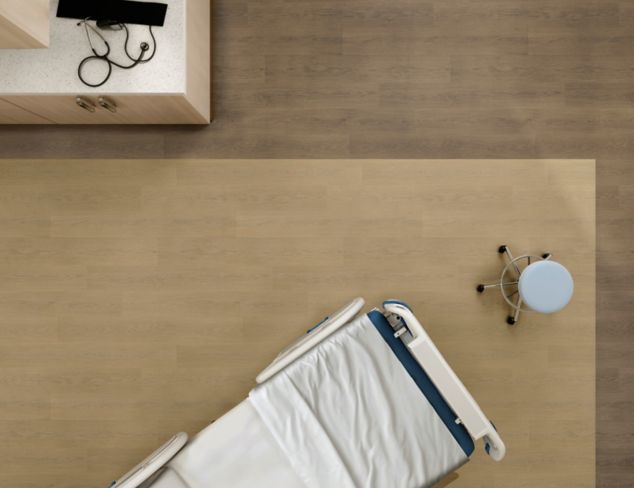
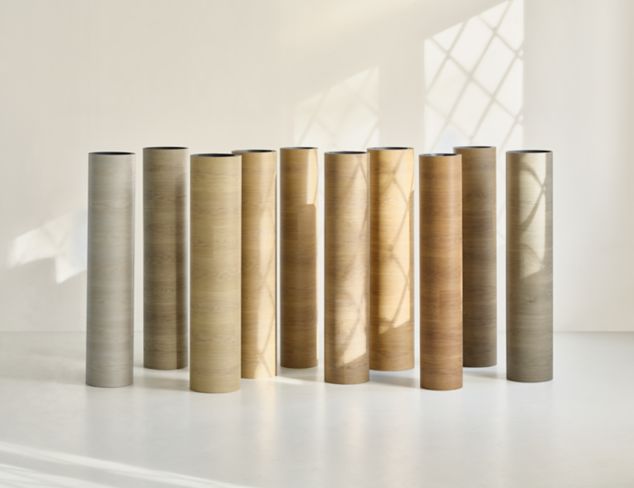
Designers are leaning into rubber’s resilience and ease of care, pairing it with visuals, colors, and textures that feel right at home in hospitality‑inspired interiors. With a timeless woodgrain design, noravant timber is a great example of a rubber flooring style that gives designers even more options. Its biophilic-inspired visuals support well-being, making it ideal for healthcare applications, like patient rooms, corridors, and waiting areas.
MYTH #3: RUBBER FLOORING IS TOO TECHNICAL AND IMPERSONAL.
Think rubber is clinical? Think again. While it may be known best for its durability and ease of maintenance, rubber flooring offers additional benefits to building occupants.
Modern rubber flooring can feel warm, inviting, and human‑centered. Advances in design have introduced softer visuals, natural colorways, and organic textures that support biophilic design and help interiors feel calmer and more connected to nature.
That warmth is both visual and experiential. Rubber provides acoustic comfort that helps quiet busy environments, a supportive underfoot feel for long periods of walking or standing, slip resistance for safer movement, and dependable performance under rolling loads and daily wear.

MYTH #4: RUBBER FLOORING IS A STAGNANT CATEGORY.
Rubber flooring hasn’t stood still. Continued investment in material science, design technology, and sustainability‑driven innovation has reshaped the category and positioned rubber as more than just a functional surface. Two recent innovations bring this evolution to life:
- noravant features an innovative construction that supports bold design flexibility while preserving the durability and performance nora® is known for. The result is elevated visuals, paired with long‑term resilience and enhanced sustainability.
- nora® by Interface® also has introduced the world’s first cradle-to-gate carbon negative rubber flooring prototype. The innovation uses bio-based and carbon-storing materials to store more carbon than is emitted through its manufacture.
More broadly, these advances show how new technologies are poised to change the rubber flooring landscape. By redefining what’s possible with rubber, they open the door to new applications across healthcare, education, and other demanding environments.

MYTH #5: RUBBER FLOORING IS NOT WORTH THE EFFORT OR COST.
It’s true that rubber flooring requires skilled installation. And it may cost a bit more upfront than non-rubber alternatives like vinyl sheet. But it’s important to remember that some brands, like nora® rubber, design products with service lifetimes of up to 30 or 40 years, delivering value over decades.
That longevity can significantly reduce replacement cycles, downtime, and material waste compared to shorter‑lived flooring options. Flooring that stays in use longer also benefits the planet by staying out of landfills.
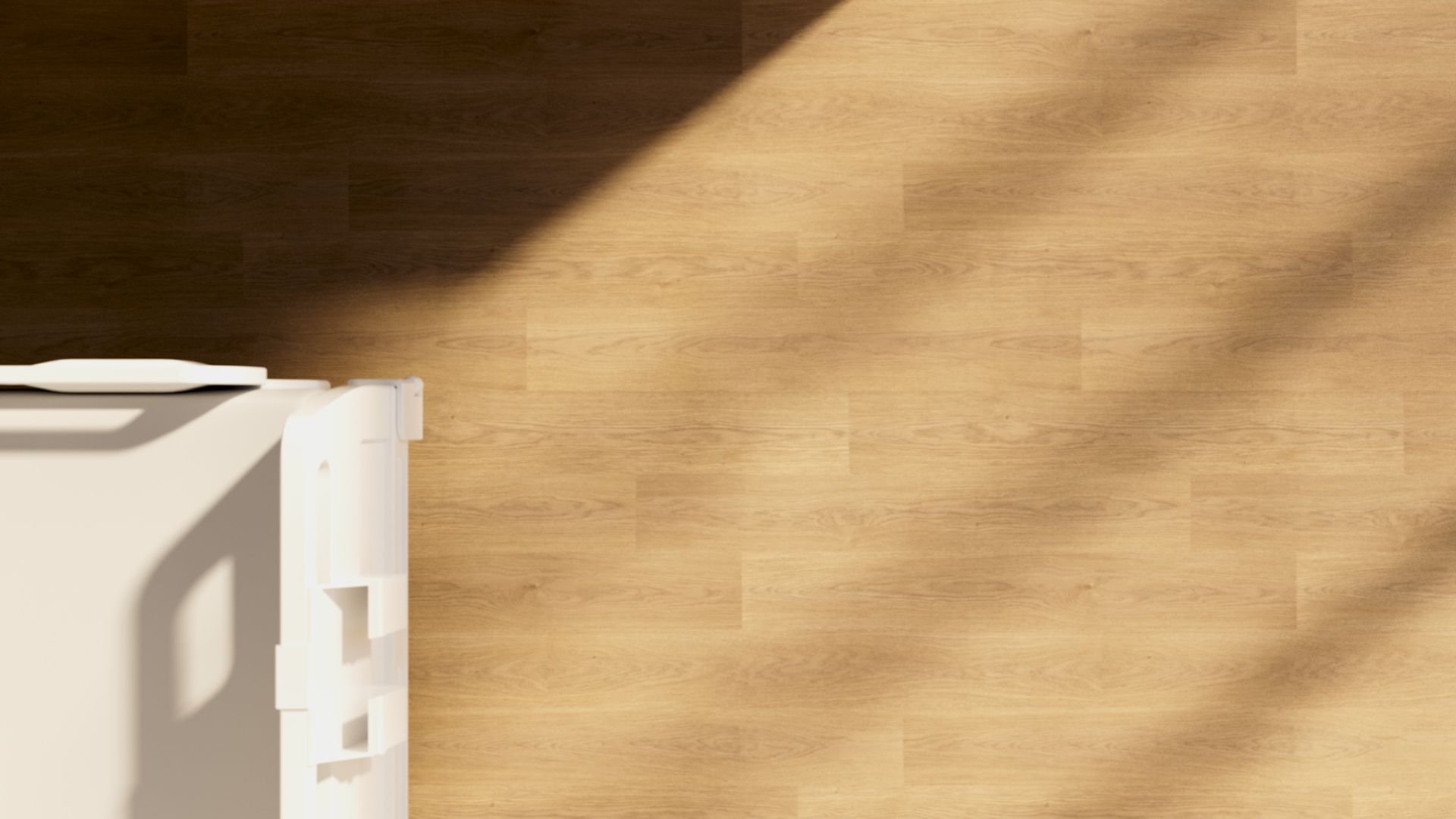
THE TRUTH? RUBBER IS A POWERFUL FLOORING OPTION
Rubber has moved well beyond outdated perceptions. Today, it's expressive, warm, and shaped by design and sustainability‑driven innovations without compromising on performance.
With platforms like noravant leading the next chapter, designers have more freedom than ever to rethink what rubber can be. And where it belongs.