Circularity Spotlight: Reducing Impact Through Recycled Content
Key Takeaways
- Recycled content helps reduce carbon by keeping existing resources in circulation and lowering demand for virgin materials.
Material selection is one of the most effective ways architects and designers can support circularity and lower-carbon projects.
Interface incorporates recycled content across carpet tile, LVT, and nora® rubber flooring, making circular design easier to specify today.
When people think about circularity, they often focus on what happens at the end of a product’s life. But some of the most important circular decisions happen much earlier, starting with the materials that go into a product in the first place.
That’s where recycled content comes in. It helps manufacturers reduce demand for virgin resources, keep existing materials in circulation, and lower product carbon footprints. And that's circularity that architects and designers can specify today.
How does recycled content lower carbon?
Most of a product's environmental impact is accounted for long before it ever reaches a building. Raw material extraction and processing are often among the largest contributors to embodied carbon – the emissions associated with a product's materials and manufacturing.
Across the buildings sector, those upstream impacts add up. According to the UN Environment Programme’s Global Status Report for Buildings and Construction 2025-2026, the sector accounts for around 37% of global carbon emissions and nearly 50% of global material extraction.
Using recycled content can help change that equation.
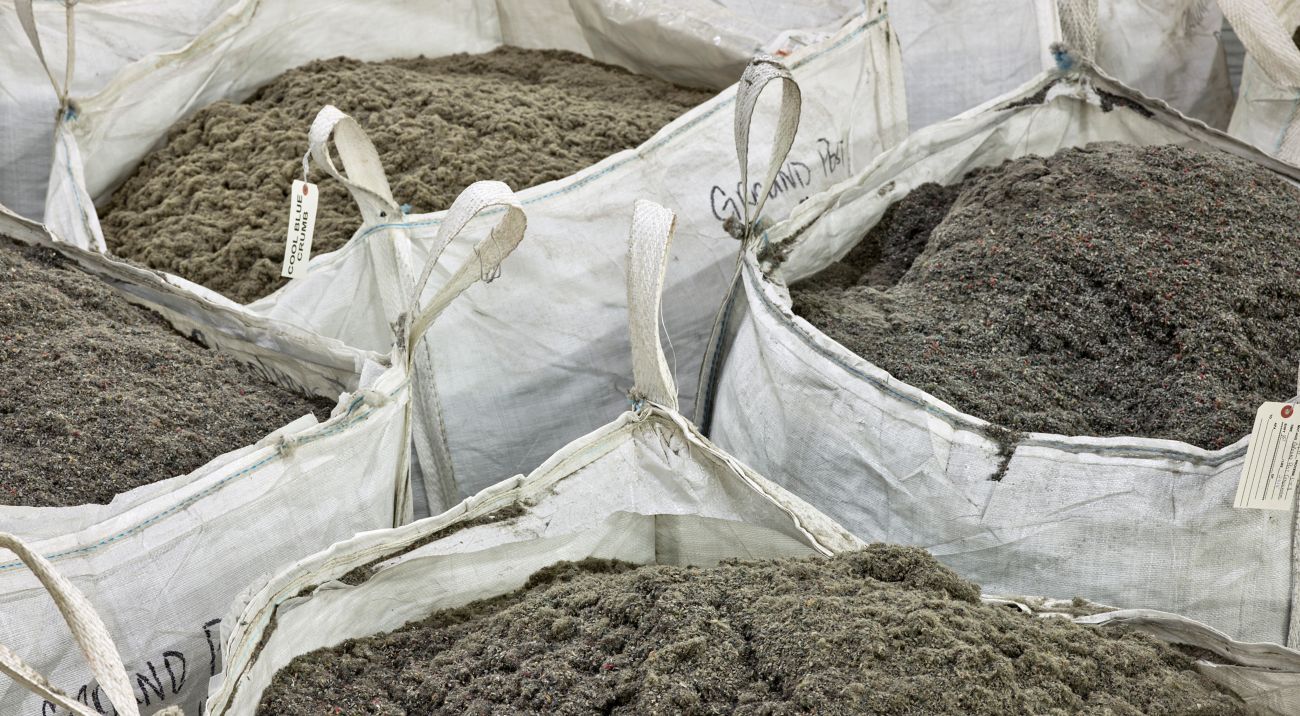
Incorporating recycled content into flooring products is a practical example of circular thinking in action. Instead of extracting and processing new materials, recycled inputs keep existing resources in circulation. That means:
- Less demand for virgin raw materials
- Lower embodied carbon from the start
- Less waste sent to landfill
- More resources kept in play
Just as importantly, recycled content helps keep materials in circulation for longer. Rather than discarding materials, manufacturers can repurpose and reintegrate them into new products. This extends their useful life and reduces the need for additional carbon-intensive inputs.
Good design never ends. And neither should the materials behind it.
What is the impact of recycled content in flooring?
As demand for materials grows, global resource extraction is expected to increase by 150% by 2060. Rethinking each stage of a product’s life cycle is more important than ever.
Using products with low-carbon materials like recycled content is one crucial way to accelerate circularity. But when it comes to flooring products, what does that actually mean?
1. Carpet tile: partnering to give waste new life
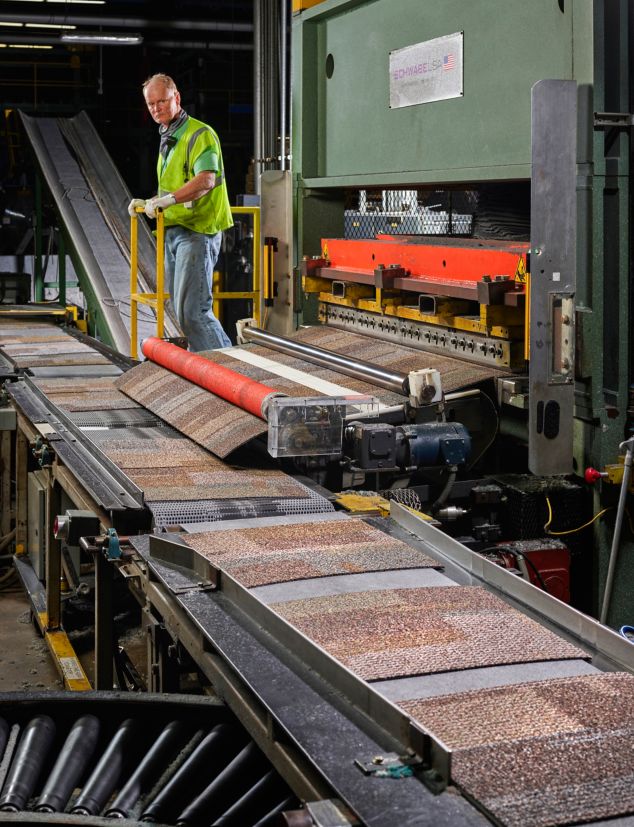
In carpet tile, recycled materials play an important role in both fiber and backing. At Interface, we’re committed to sourcing recycled content for our backing materials whenever possible. And prioritise fibers with the highest recycled content, including yarns made with recycled nylon.
Our longstanding partnership with Aquafil helped bring carpet tile made with 100% recycled-content nylon to market and contributed to the launch of ECONYL®, a regenerated nylon made from discarded fishing nets, textile scraps and other nylon waste.
Once recovered, these materials are transformed into high-performance fiber. The result? A durable product that helps keep materials in circulation while reducing reliance on virgin raw materials.
What began as an innovation for carpet tile helped create demand for regenerated nylon, paving the way for its adoption in apparel, swimwear, luxury fashion, and other industries worldwide.
2. Luxury vinyl tile: lowering carbon by design
Our luxury vinyl tile (LVT) products incorporate recycled content as part of our efforts to reduce embodied carbon. All Interface LVT contains a minimum of 39% recycled content, among the highest in the commercial flooring industry. This helps reduce virgin material use and lower carbon from the start.
That also means designers can make a lower-carbon choice without changing specifications, budgets, or performance expectations.
3. nora® rubber flooring: keeping materials in use longer
The same thinking extends to innovations like nora® rubber flooring. By incorporating recycled inputs and using raw materials more efficiently, we can reduce material impact while maintaining the durability and long service life that rubber flooring is known for.
Because nora rubber flooring is built to last, it can help reduce the need for replacement over time, lowering demand for new raw materials and the impacts associated with their extraction and processing.
Across carpet tile, LVT, and rubber flooring, recycled content delivers benefits that help us do more with materials already in circulation. It's one of the ways we're reducing waste, lowering carbon, and advancing circularity across our portfolio.
What does this mean for designers?
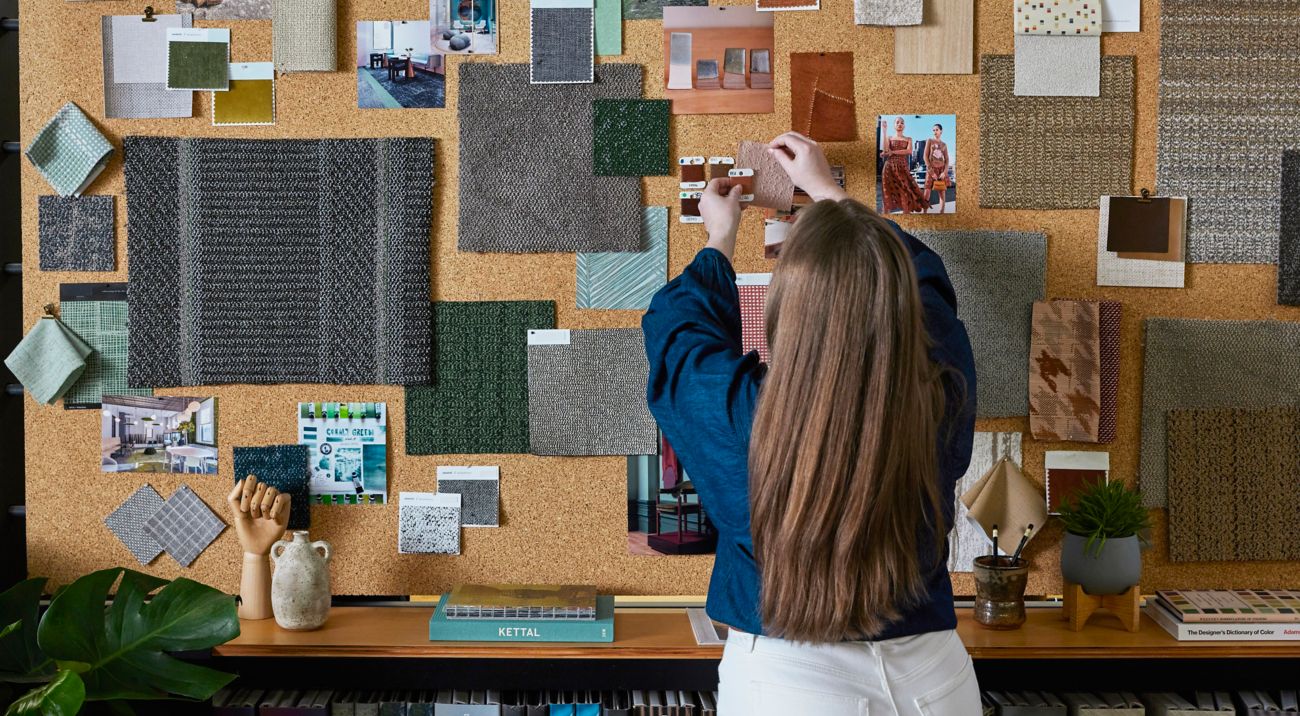
Circularity starts with design. Every specification decision has an impact on a project's carbon footprint. By choosing products with recycled content, architects and designers can reduce the project’s carbon impact without compromising performance, durability, or aesthetics.
When evaluating flooring solutions, recycled content can help support:
- Lower-carbon material selections
- Circular design strategies
- Project sustainability goals and certifications
- More responsible use of resources across the product life cycle
When comparing products, look for recycled content information alongside Environmental Product Declarations (EPDs) and other sustainability disclosures that help provide a fuller picture of material impact.
For designers looking to reduce impact, material choices matter. Recycled content offers a practical way to support circularity from the very beginning of a project's life cycle.
How does it support the bigger circular story?
Recycled content is just one important piece of a larger circular approach.
When combined with thoughtful design, durable materials, simple maintenance, and opportunities for reuse and recovery, recycled content helps extend material life and reduce carbon across the full product life cycle.
That's why circularity is more than recycling. It's about making smarter choices at each stage, from the materials we select to how products perform, endure, and stay in use over time.
Because every material that stays in play is one less material that needs to be made from scratch. And every step toward circularity is a step toward a low-carbon future.
References
- UN Environment Programme, Global Status Report for Buildings and Construction 2025-2026
- World Resources Institute, 9 Key Findings on Global Progress Toward a Circular Economy
About the Author