


Hearth
Earthen Forms

Designing for both collaboration and focus helps employees do their best work.
Better workplace acoustics can support wellbeing, concentration, and productivity.
Flooring and other material choices play an important role in reducing disruptive noise.
Workplace noise affects more than comfort. It can influence concentration, wellbeing, productivity, and even how people feel about where they work.
According to Interface's What's That Sound? Workplace Acoustics Study, noisy workplaces can increase stress and anxiety, and 50% of respondents said noise levels would influence their decision to accept a job.
As workplaces continue to evolve, designers face a common challenge: creating environments that support both collaboration and focus. Thoughtful planning, flexible work settings, and acoustic performance all contribute to people doing their best work.
With about one-third of our lives spent at work, the spaces we occupy can have a meaningful impact on how we feel and perform. Employee wellbeing has become an increasingly important consideration in workplace design, and for good reason.
Interface’s study found that 55% of surveyed employees said office noise made them feel edgy or irritable, while nearly 80% said it made concentrating more difficult. These findings show how design decisions can influence stress, focus, and the overall workplace experience.
Healthier, more comfortable environments can support better experiences for both employees and employers.
Whether people are collaborating with colleagues, joining a video call, or concentrating on a complex task, workplace design should support a range of needs throughout the day.
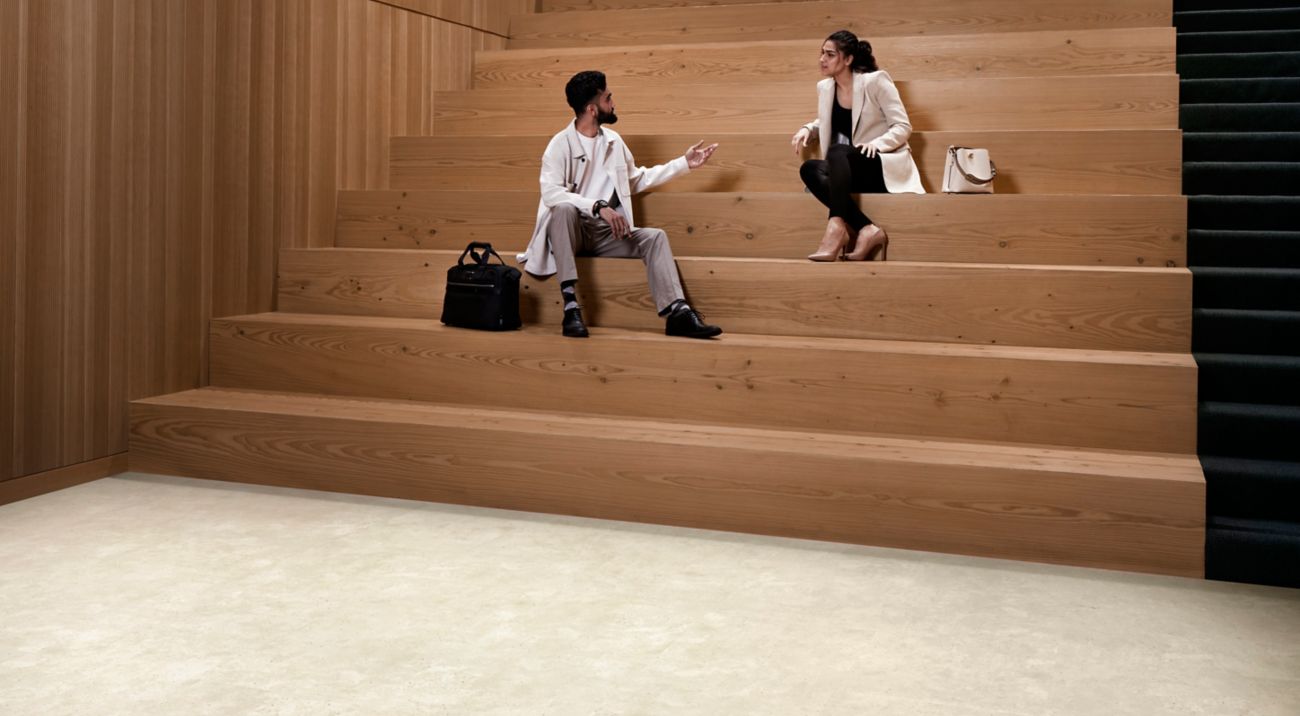
No single workspace is right for every task.
Some activities benefit from conversation and collaboration. Others require concentration and minimal distraction. Providing a variety of settings gives employees the flexibility to choose the environment that best suits the work at hand.
Examples include:
According to Bruce McEvoy of architecture and design firm Perkins+Will, quiet rooms and smaller collaboration spaces can also help reduce noise throughout the workplace while supporting a wider range of work styles. That aligns with findings from Interface's workplace acoustics study, which identified a need for more focus rooms and designated quiet spaces where employees can step away from distractions and concentrate on individual work.
The WELL Building Standard provides guidance for creating spaces that support human health and wellbeing.
When it comes to acoustics, WELL encourages designers to consider more than external noise. The framework also emphasizes the importance of spaces that support concentration, privacy, and restoration. These may include quiet rooms, wellness spaces, or other areas where occupants can step away from distractions and recharge.
By considering acoustics alongside factors like lighting, air quality, and movement, designers can create workplaces that feel more comfortable and supportive throughout the day.
Layout and space planning influence acoustic performance, but the materials used throughout a workplace matter too.
Many popular finishes reflect sound rather than absorb it, including:
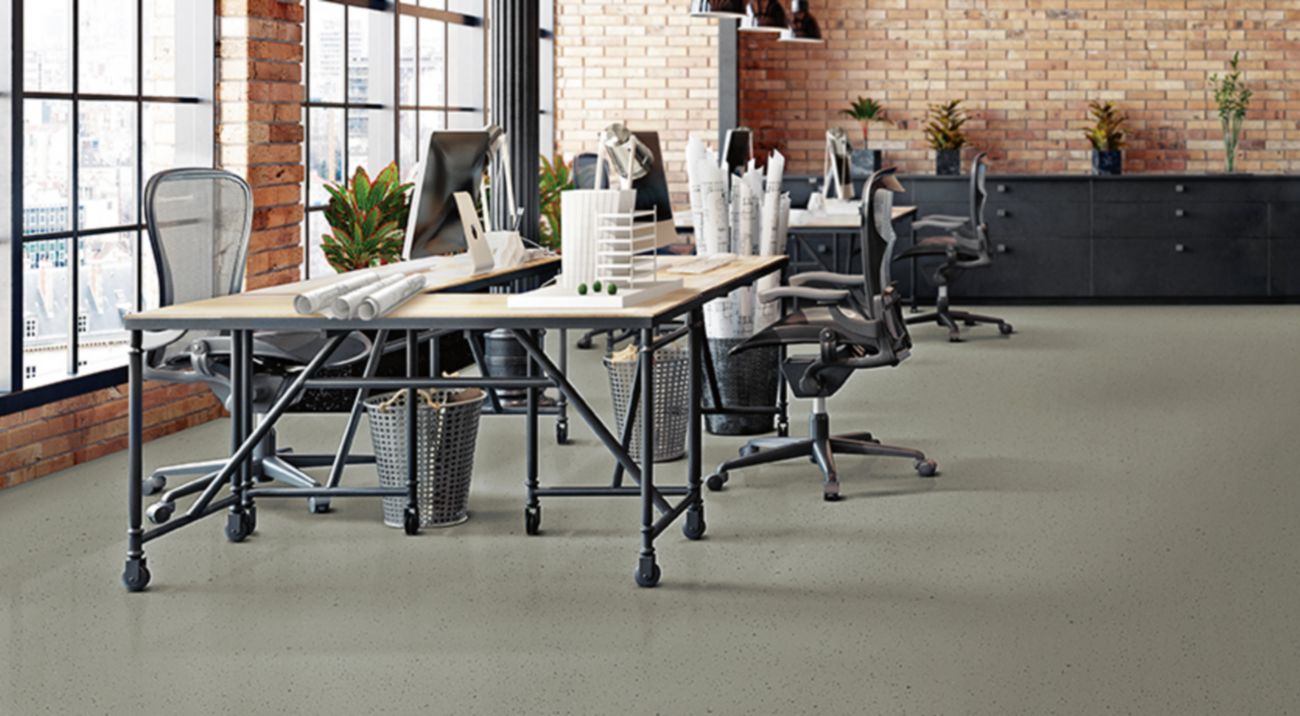
Interface's workplace acoustics study found that 54% of employees working in environments with wood, ceramic tile, or concrete flooring described their workplace as noisy, compared to 45% of employees working in environments with carpeting.
The most effective workplace designs are rooted in the specific needs of a business, its culture, and the people using the space.
In other words, aesthetics shouldn't be the only consideration. The best material choices also help create environments that support comfort, focus, and productivity.
Flooring has a significant impact on how sound behaves within a space.
According to sound expert Julian Treasure, hard surfaces such as concrete, hardwood, and tile can create acoustic challenges in workplaces. He notes that these materials reflect sound rather than absorb it, amplifying everyday workplace noise such as footsteps and conversations. Softer flooring options can help reduce noise levels and create a calmer environment.
The Carpet & Rug Institute notes that carpet can:
Interface offers a range of flooring options that can support acoustic comfort while helping designers create the right look and feel for different workplace zones:
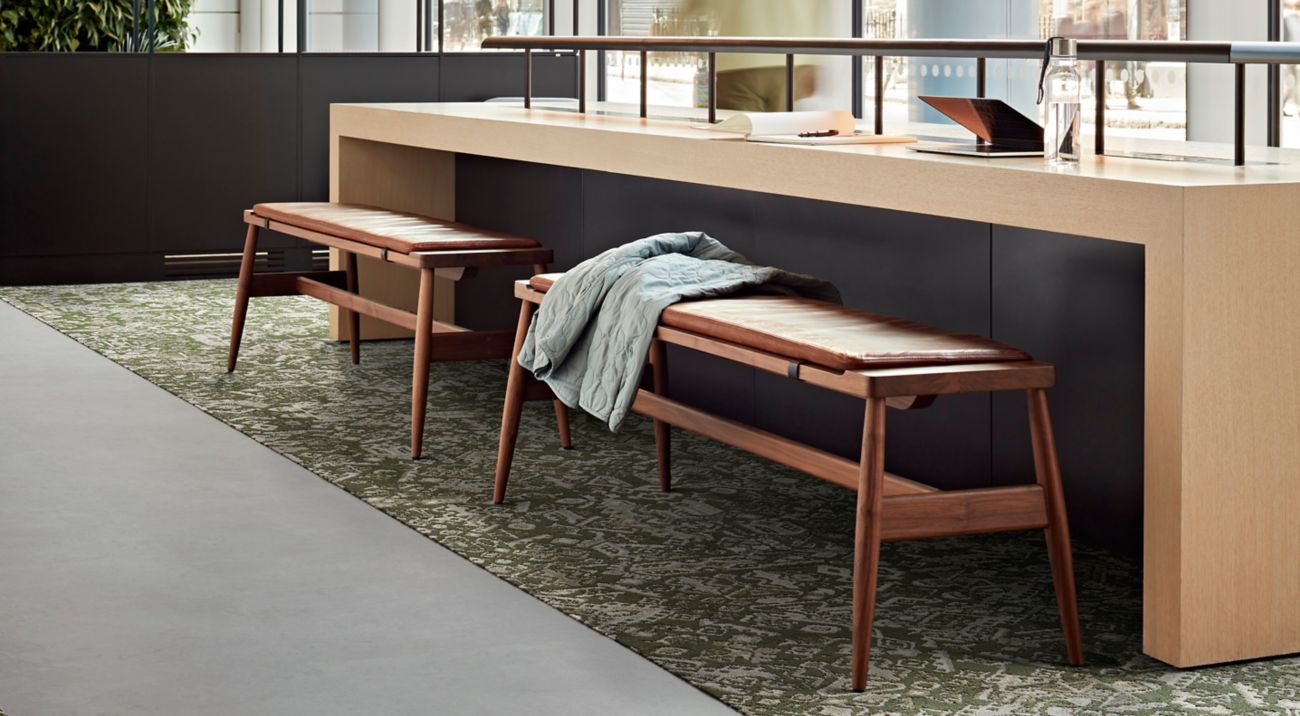
Noise doesn't have to be an unavoidable part of the workplace experience.
People need different types of spaces throughout the day. By supporting those needs and considering acoustic performance, designers can create workplaces that better support comfort, focus, and wellbeing.
References
Hearth
Earthen Forms
norament kivo
norament
Reeling
Past Forward

